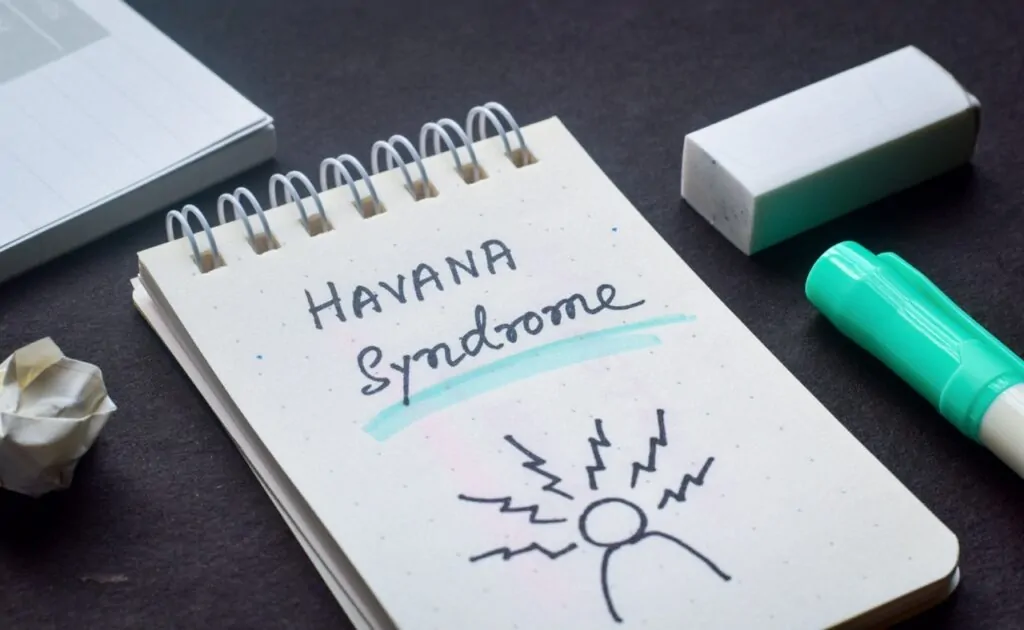
Havana Syndrome is a term used to describe reported neurological symptoms. It is not recognized as an official medical diagnosis. The medical community refers to these incidents as anomalous health incidents. Reported symptoms include headaches, dizziness, cognitive problems, and balance issues. Some individuals report hearing pressure or unusual sounds. Employment-related legal claims focus on documented symptoms and functional limitations. The impact on your ability to work matters for legal purposes.
Havana Syndrome claims address how symptoms affect your job duties and earning capacity. The cause of symptoms does not determine your eligibility for workplace benefits. Medical documentation of your condition and work restrictions forms the basis of any claim. Legal options depend on your specific symptoms and employment situation.
Can Employees Seek Workers’ Compensation for Havana Syndrome Symptoms?
Florida workers’ compensation provides benefits for injuries that arise during employment. The system operates on a no-fault basis. You do not need to prove anyone caused your condition. Eligibility depends on showing your symptoms developed because of your job duties. Government employees, overseas workers, and those in travel-based roles may qualify. Your symptoms must be documented by medical professionals. They must also create work restrictions or functional limitations.
Workers’ compensation covers medical treatment and wage replacement. Havana Syndrome claims follow the same legal requirements as other workplace injury claims. You must report your symptoms to your employer within 30 days. Filing deadlines are strict under Florida law. Your employer’s insurance carrier evaluates your claim based on medical evidence and employment records.
What Must Be Proven in a Workers’ Comp Claim
Florida workers’ compensation requires proof of an employment connection. Your symptoms must have developed during or because of your work duties. Medical documentation is essential for any claim. Doctors must record your reported symptoms and examination findings. Diagnostic testing results support your medical records. You must show how your condition creates work restrictions or disability. Functional limitations affect your ability to perform job duties. Medical providers document what tasks you can and cannot do. The insurance carrier reviews whether your symptoms arose from employment. They evaluate medical opinions about causation. Clear documentation strengthens your position. Missing records or delayed reporting can create claim problems. Florida law does not require proof of fault or negligence. The focus remains on whether your condition is work-related and properly documented.
Are Disability Benefits an Option for Employees With Ongoing Symptoms?
Disability benefits provide another potential option for employees with persistent symptoms. Short-term disability covers temporary work absences. Long-term disability may apply if symptoms prevent you from working for extended periods. Many employers provide disability insurance as part of employee benefits. Private disability policies evaluate your functional capacity.
Insurance companies focus on what you can and cannot do rather than specific diagnoses. You must demonstrate how symptoms limit your ability to work. Medical records documenting restrictions are critical for disability claims. Havana Syndrome claims for disability benefits require ongoing medical treatment. Regular doctor visits create documentation of persistent symptoms. Insurance carriers may request independent medical evaluations. They review whether your limitations justify disability status. Some policies cover partial disability if you can work reduced hours.
Can a Personal Injury or Negligence Claim Apply?
Personal injury claims are rarely available for workplace injuries in Florida. Workers’ compensation serves as the exclusive remedy in most situations. This means you cannot sue your employer for workplace injuries. Limited exceptions exist when third parties cause harm. If someone other than your employer contributed to your condition, a personal injury claim might apply. Third-party negligence must be proven with clear evidence.
Florida law sets high thresholds for personal injury claims. You must show duty, breach, causation, and damages. These cases require different proof than workers’ compensation claims. Federal employees face unique legal considerations beyond state workers’ compensation law. Speculation about liability does not create legal claims. Focus remains on documented harm and provable negligence. Most employees with work-related symptoms pursue workers’ compensation rather than personal injury lawsuits.
Why These Claims Are Often Challenged by Insurers
Insurance companies frequently challenge claims involving complex medical conditions. Symptoms without clear objective testing face more scrutiny. Neurological symptoms can be difficult to measure objectively. Insurers may question whether symptoms are work-related. Disputed causation creates claim denials. The connection between your job and your symptoms must be clear. Inconsistent medical records weaken your position. Gaps in treatment suggest symptoms are not severe. Missing documentation gives insurers reasons to deny benefits. Havana Syndrome claims face additional challenges due to limited medical consensus. Insurance carriers may argue symptoms arose from non-work factors. They may dispute the severity of reported limitations. Pre-existing conditions complicate causation analysis. Insurers look for any reason to minimize payouts. Legal representation helps address these challenges. Attorneys gather evidence and respond to insurer objections effectively.
Evidence That May Support an Employee’s Legal Claim
Strong evidence is essential for any workers’ compensation or disability claim. Documentation creates a clear record of your condition and its impact. Medical professionals must evaluate and record your symptoms properly. The right evidence helps demonstrate the legitimacy of your claim.
The following types of evidence may strengthen your case:
- Comprehensive medical evaluations from qualified specialists
- Detailed symptom timelines showing when problems began
- Records of all diagnostic tests and examination findings
- Documentation of your specific job duties and work conditions
- Employer incident reports if symptoms developed at work or during travel
- Written work restrictions from your treating physicians
- Records showing consistent medical treatment for ongoing symptoms
- Statements describing how symptoms affect your daily activities and work performance
No single piece of evidence determines claim outcomes. Insurance carriers review the complete picture of your condition. Consistent documentation over time strengthens your position. Gaps in medical care or conflicting information create problems.
How a Florida Workers’ Compensation Attorney May Help
A workers’ compensation attorney can assist with complex claims involving neurological symptoms. Lawyers help gather necessary medical documentation and employment records. They coordinate with medical providers to ensure proper documentation of your condition. Attorneys communicate with insurance carriers on your behalf. They respond to requests for information and challenge improper denials.
Legal representation may prove valuable when claims face disputes. Rosenberg & Rosenberg has over 50 years of experience with Florida workers’ compensation law. Our attorneys understand how to present medical evidence effectively. We help clients navigate the claims process from initial filing through appeals. Many workers’ compensation attorneys offer free case evaluations. Havana Syndrome claims require careful attention to documentation and legal requirements. An experienced attorney can explain your options under Florida law.
Next Steps for Employees Experiencing Symptoms
If you experience unexplained neurological symptoms related to your work, take action promptly. Report your condition to your supervisor or employer immediately. Seek medical evaluation from a qualified healthcare provider. Explain when your symptoms began and any work-related factors. Follow your doctor’s treatment recommendations consistently. Document how your symptoms affect your ability to work. Keep copies of all medical records, test results, and work communications.
Consider consulting a Florida workers’ compensation attorney for guidance. Early legal advice helps protect your rights and strengthens your claim. Understanding your legal options allows you to make informed decisions about pursuing benefits.
Disclaimer: The information in this blog is for general informational purposes only and does not constitute legal or medical advice. Every workers’ compensation and disability claim is unique. Outcomes depend on specific facts, medical evidence, and legal circumstances. This content should not be used as a substitute for advice from a licensed Florida attorney or qualified medical professional. For advice about your specific situation, please contact Rosenberg & Rosenberg, P.A. for a legal consultation and consult with your healthcare providers for medical guidance. Past results do not provide any prediction of future outcomes.