
Traumatic brain injuries can affect every part of a person’s life, including memory, concentration, mobility, mood, and daily independence. When an injury occurs in a busy and growing community like Coral Springs, individuals often seek a Coral Springs traumatic brain injury lawyer to understand what documentation is needed and which steps may apply under Florida law. Rosenberg & Rosenberg, P.A. helps clients organize medical evaluations, gather evidence, and understand how Florida’s legal system approaches traumatic brain injuries and long-term impairments.
Coral Springs is known for its active residential neighborhoods, high-traffic roadways, commercial centers, and ongoing construction projects. These factors increase the likelihood of accidents that may lead to traumatic brain injuries. Because TBIs often involve complex medical findings and long-term therapy needs, early organization and structured guidance help clients understand what information may be important during a claim.
Understanding Traumatic Brain Injuries in Coral Springs
Catastrophic injury like traumatic brain injury occurs when sudden force disrupts the brain’s normal function, often resulting from vehicle collisions, slip and fall incidents, workplace accidents, sports impacts, or falling objects. These injuries may include concussions, contusions, diffuse axonal injuries, penetrating trauma, hypoxic injuries, or coup-contrecoup injuries.
A Coral Springs traumatic brain injury lawyer reviews imaging results, neurological evaluations, therapy notes, and expert assessments to understand how the injury developed and how it may affect long-term functioning. Coral Springs features several areas where TBIs occur frequently. University Drive and Sample Road experience significant traffic volume, creating conditions where high-impact crashes may occur.
Coral Square Mall attracts steady daily foot traffic and loading activity, increasing slip and crowd-related risks. Construction along Wiles Road, Coral Springs Drive, and Riverside Drive adds workplace hazards involving heavy equipment. Parks and athletic facilities see consistent community participation, which may increase the likelihood of sports-related TBIs. Rosenberg & Rosenberg, P.A. helps clients gather diagnostic imaging, neuropsychological tests, therapy findings, and rehabilitation documentation to track long-term effects.
How an Attorney Builds a Coral Springs Traumatic Brain Injury Claim
Building a traumatic brain injury claim involves detailed organization, clear documentation, and an understanding of how the incident occurred. Because TBIs may create long-term physical, cognitive, and emotional challenges, attorneys rely on structured steps that help ensure evidence is complete, accurate, and ready for negotiations or potential litigation. This process helps clients remain informed throughout each stage.
Gathering Incident Evidence
Attorneys collect photos, video footage, incident reports, and witness statements to understand how the injury occurred. Environmental factors such as lighting, traffic conditions, or property layout may also be reviewed. Many individuals compare these details with Coral Springs roadway accident data to better understand how local conditions might influence the interpretation of a traumatic brain injury claim.
Reviewing Medical Documentation
Medical evidence forms the foundation of any traumatic brain injury case. Attorneys review neurological scans, hospital records, diagnostic imaging, and therapy notes to document how the injury affects daily functioning. This organized review helps establish how symptoms developed and which long-term challenges may require continued treatment, rehabilitation, or monitoring by medical professionals.
Consulting Experts
Expert consultation often plays a crucial role in understanding complex traumatic brain injuries. Attorneys may involve neuro specialists, rehabilitation professionals, and safety engineers who can explain how the injury occurred and what its long-term effects may be. These experts help clarify important medical and technical details that support a clear and comprehensive presentation of the case.
Evaluating Long-Term Needs
TBIs often create lasting effects that influence mobility, cognitive function, balance, and the ability to perform work tasks. Attorneys assess long-term needs by reviewing treatment plans, vocational limitations, and functional assessments. This evaluation helps explain how the injury affects overall independence and may inform decisions regarding future accommodations or rehabilitation requirements.
Communicating With Insurers
Insurance companies sometimes question treatment length, specialist recommendations, or therapy frequency. Attorneys respond to these disputes by providing organized medical documentation and clear explanations from treating professionals. This communication helps ensure that important details are understood and that clients receive support as they navigate questions or challenges raised by insurance representatives.
City Conditions That Contribute to TBI Risks in Coral Springs
City conditions throughout Coral Springs contribute to an increased risk of traumatic brain injuries, especially in areas with high activity levels or constant movement. High-volume roadways such as Sample Road, University Drive, and Atlantic Boulevard carry tens of thousands of vehicles each day, creating conditions where collisions may lead to significant head trauma.
The Coral Square retail corridor adds another layer of risk, with heavy deliveries, loading-dock operations, and dense foot traffic that may result in falling objects or slip incidents. Ongoing construction across expanding commercial zones brings hazards involving cranes, elevated platforms, heavy machinery, and scaffolding failures, shifting construction materials, and structural collapses, all of which may cause traumatic brain injuries when accidents occur. Recreational areas, including sports fields, gyms, and local parks, see continuous activity that can lead to impacts or slips.
Additionally, pedestrian-heavy zones near community centers, schools, and retail locations create circumstances where individuals may face unexpected injuries in crowded environments. A Coral Springs traumatic brain injury lawyer reviews these conditions during the evidence-gathering process to understand how environmental factors may have contributed to the injury.
Case Result: Coral Springs Traumatic Brain Injury Example
Traumatic brain injury cases require neurological documentation, structured preparation, and clear evidence. This case result shows how detailed case development may influence outcomes.
A Coral Springs warehouse employee suffered a traumatic brain injury after unstable stacked inventory collapsed from overhead shelving. After specialist evaluations, neuroimaging, and structured negotiations, the client secured a $690,000 settlement with support from Rosenberg & Rosenberg, P.A.
Disclaimer: The facts and circumstances of your case may differ from the matter in which this result was achieved. Not all results are provided. The results on this page are not necessarily representative of results obtained by the lawyer. Every case is different, and each client’s case must be evaluated and handled on its own merits.
A Coral Springs traumatic brain injury lawyer may review similar documentation depending on the specific circumstances.
How a Coral Springs TBI Lawyer Evaluates These Complex Injuries
Traumatic brain injuries require careful review because symptoms may appear suddenly or develop gradually. A Coral Springs personal injury lawyer organizes medical evidence, evaluates treatment progress, and consults specialists to understand how the condition affects long-term functioning. Each element plays a role in documenting cognitive, physical, and emotional changes linked to the injury.
- Emergency room documentation: Emergency room documentation establishes the first recorded signs of a traumatic brain injury. These records include initial evaluations, diagnostic impressions, and early symptoms such as confusion, dizziness, or loss of consciousness. Attorneys review these details to understand the immediate impact of the injury and how early treatment shaped later neurological findings and medical decisions.
- Neurological scans: Neurological scans, such as MRI and CT imaging, help identify visible trauma, swelling, bleeding, or structural changes in the brain. These results provide important information that helps specialists diagnose the injury accurately. Attorneys organize and review these studies to understand how the damage influences long-term functioning, physical abilities, and potential complications that may require future treatment.
- Cognitive testing: Cognitive testing measures abilities such as memory, attention, concentration, problem-solving, and processing speed. These evaluations help identify hidden or delayed symptoms that may not appear on imaging studies. Attorneys use cognitive test results to document how the injury affects daily tasks, decision making, and communication, especially when symptoms interfere with employment responsibilities or school performance.
- Therapy and rehabilitation notes: Therapy and rehabilitation notes track progress in physical, occupational, and speech therapy. These documents show how the individual responds to treatment, including improvements and persistent challenges. Attorneys review therapy notes to understand long-term limitations, including mobility issues, communication difficulties, or behavioral changes that may influence daily independence and future rehabilitation needs.
- Balance and coordination assessments: Balance and coordination assessments help document how the injury affects physical stability and movement. These evaluations identify whether the person struggles with walking, standing, or transitioning between activities. Attorneys use this information to understand safety concerns, mobility limitations, and how the injury influences tasks that require physical control in home, work, or community environments.
- Vocational limitations: Vocational assessments evaluate how a traumatic brain injury impacts work performance, productivity, and the ability to complete essential job duties. These evaluations focus on communication, concentration, stamina, and decision-making. Attorneys review this documentation to understand changes in work capacity, potential restrictions, and long-term effects on earning ability, especially in industries requiring physical or cognitive stamina.
- Long-term treatment recommendations: Long-term treatment recommendations outline future medical needs, such as cognitive therapy, neurological follow-ups, rehabilitation sessions, or pain management plans. Attorneys review these recommendations to understand how the injury affects daily functioning, long-term independence, and potential requirements for continued support. These documents also help explain anticipated costs and future care expectations during negotiations or litigation.
Traumatic Brain Injury on the Job Lawyer: Workplace Injuries in Coral Springs
Workplace traumatic brain injuries can occur in many Coral Springs industries, including construction zones, retail centers, hospitality facilities, warehouses, transportation roles, and office buildings.
These environments often involve heavy lifting, elevated platforms, moving equipment, and fast-paced activity, which may create conditions where an unexpected impact leads to a sudden disruption in brain function. A traumatic brain injury on the job lawyer helps employees understand what documentation may be required after such an injury, especially when symptoms interfere with memory, concentration, speech, or balance.
A traumatic brain injury on the job claim may involve employer incident reports, workplace safety evaluations, witness accounts, specialist assessments, and long-term care recommendations. When disagreements occur regarding treatment needs or how the injury happened, a case may proceed through formal workers’ compensation proceedings or, in limited situations, related third-party claims, where a traumatic brain injury on the job attorney helps organize evidence, consult experts, and address disputes raised by insurers or employers.This structured approach helps individuals understand the legal steps available.
Traumatic Brain Injury at Work Lawyer: Understanding Injuries in Coral Springs Jobsites
A traumatic brain injury at work lawyer helps review the circumstances surrounding head injuries that occur during job-related activities in Coral Springs. Many local industries involve repetitive movements, lifting tasks, equipment operation, or exposure to elevated surfaces, creating conditions where accidents may occur.
These situations include falling objects in warehouses, slip hazards in retail locations, impacts in healthcare settings, and collisions involving workplace vehicles. When a traumatic brain injury develops during work tasks, attorneys examine employer safety protocols, incident documentation, and medical records to understand what contributed to the event. If symptoms include impaired balance, concentration difficulty, mood changes, or speech disruptions, individuals may pursue a traumatic brain injury at work claim.
More complex cases may require traumatic brain injury at work litigation, where a traumatic brain injury at work attorney organizes medical findings, gathers expert evaluations, and prepares essential documents for review. This structured support helps individuals understand the potential long-term effects and the steps available under Florida law.
Medical Documentation Needed for TBI Cases
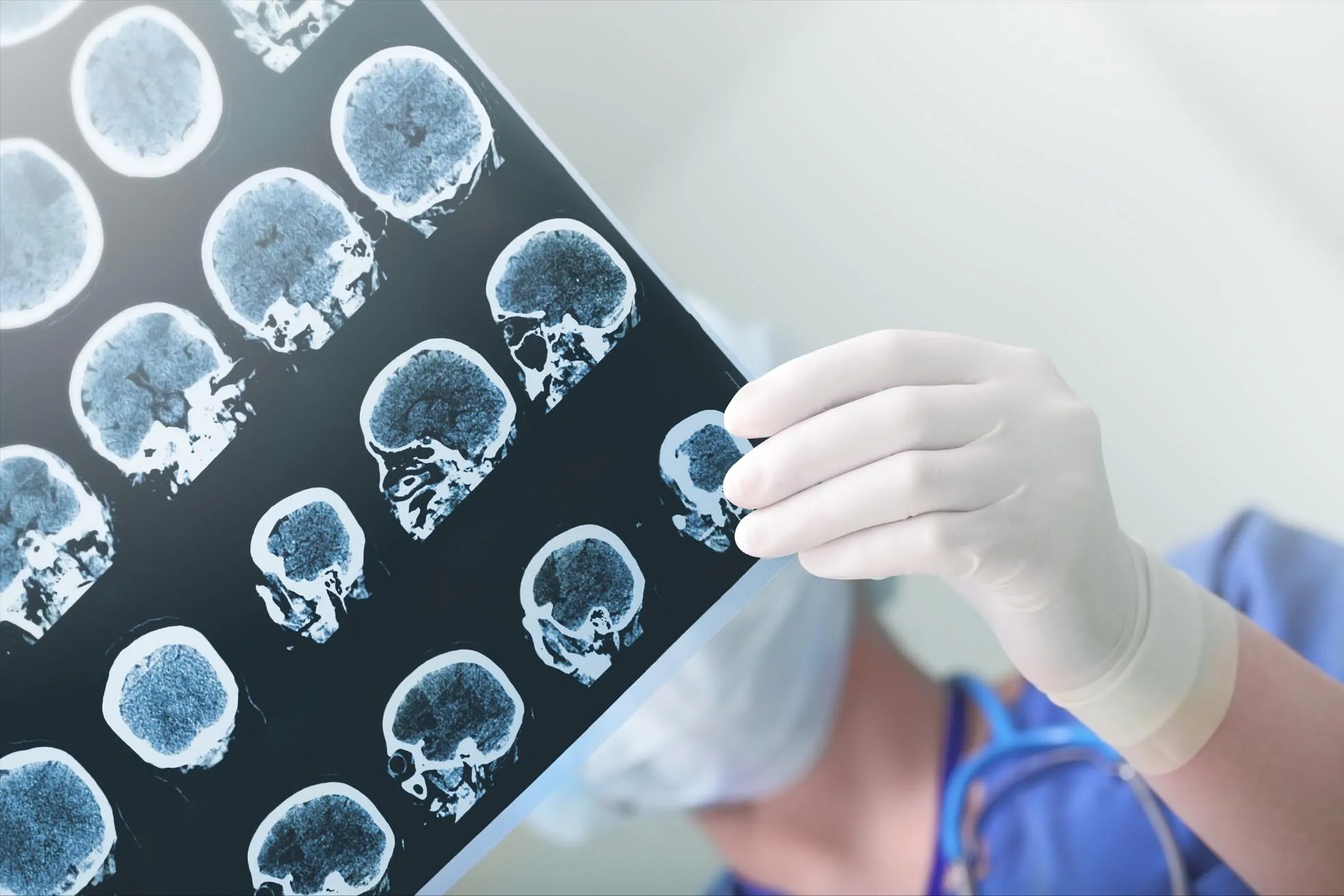
Traumatic brain injury cases often require detailed medical evidence because symptoms may not always be visible through standard testing alone. Attorneys and medical professionals frequently rely on MRI, CT, or PET scans to identify structural changes or abnormalities.
Neurological findings, neuropsychological evaluations, and therapy notes help document cognitive issues, balance concerns, memory difficulties, and emotional changes. Pain management records and specialist consultations provide insight into ongoing treatment needs. Functional and cognitive assessments help explain how the injury affects communication, problem-solving, mobility, and day-to-day independence.
These documents help clarify several key factors, including the severity of brain trauma, functional limitations, rehabilitation expectations, communication challenges, and vocational restrictions. Because traumatic brain injuries may require months or years of treatment, detailed documentation becomes essential for tracking progress and understanding long-term needs. A Coral Springs traumatic brain injury lawyer helps ensure this information is kept organized and presented clearly for negotiations or litigation, providing clients with structured support throughout the process.
How Rosenberg & Rosenberg, P.A. Supports TBI Victims in Coral Springs
Traumatic brain injuries often create long-term challenges that require ongoing medical care, clear communication, and organized documentation. Many individuals feel overwhelmed by the treatment process, insurance communication, and legal timelines. Rosenberg & Rosenberg, P.A., provides structured support designed to help clients understand their medical records, gather essential evidence, and navigate the steps involved in a traumatic brain injury claim in Coral Springs.
Reviewing Neurological Assessments
The firm reviews evaluations from neurologists and other specialists to understand how the injury affects memory, balance, concentration, and cognitive processing. These reports may provide insight into long-term challenges or expected recovery timelines. Organized neurological documentation helps ensure that important findings remain accessible during negotiations or litigation and that each evaluation contributes to a complete understanding of the individual’s condition.
Organizing Imaging Studies
Traumatic brain injury cases rely heavily on imaging such as MRI, CT, or PET scans. Rosenberg & Rosenberg, P.A., organizes these studies along with related reports so that they can be easily referenced throughout the claims process. This clear arrangement may help demonstrate the nature of the injury, track changes over time, and support explanations provided by medical experts during discussions with insurers.
Collecting Therapy and Rehabilitation Records
Rehabilitation plays a major role in traumatic brain injury recovery. Attorneys gather physical, occupational, and speech therapy notes to document progress and identify ongoing challenges. These records help explain how the injury affects mobility, communication, or daily tasks. By keeping therapy documentation well organized, the firm ensures that long-term treatment needs are accurately represented and clearly understood.
Preparing Documents for Negotiations
The firm prepares summaries, medical timelines, and organized files to support discussions with insurers. Negotiations often require accurate, well-presented evidence that demonstrates how the injury has affected the client’s daily life. This preparation helps ensure that medical data, specialist evaluations, and treatment notes are ready for review and contribute meaningfully to the overall claim.
Communicating With Insurers
Insurance companies may question treatment duration, specialist recommendations, or therapy frequency. Rosenberg & Rosenberg, P.A., communicates directly with insurers to clarify medical information and respond to disputes. By using organized documentation and expert assessments, attorneys help ensure that insurers have accurate information when making decisions about long-term treatment needs and related concerns.
Explaining Florida Statute Deadlines
Florida Statutes, including Section 95.11, require most negligence-related claims to be filed within a specific period. Under current Florida law, many negligence-based injury claims are subject to a two-year filing deadline under Section 95.11. The firm explains which deadlines apply to each case so clients understand the importance of timely documentation and clear communication throughout the process.
Providing Language Support in English, Spanish, and Creole
To support clear communication, Rosenberg & Rosenberg, P.A. provides language assistance in English, Spanish, and Creole. This ensures clients fully understand treatment findings, legal explanations, and required steps. Having multilingual support helps individuals feel more comfortable asking questions and reviewing documents, especially when medical terminology may be complex or unfamiliar.
A Coral Springs traumatic brain injury lawyer ensures that all documents are gathered accurately and presented clearly. This organized approach helps individuals understand their condition, treatment needs, and the legal steps available as they move through the recovery process.
Contact Rosenberg & Rosenberg, P.A. for Guidance After a Traumatic Brain Injury in Coral Springs
Traumatic brain injuries may create long-term challenges. Rosenberg & Rosenberg, P.A. offers structured documentation support and detailed guidance throughout the process. For more information, you may contact Rosenberg & Rosenberg, P.A.
Working with a Coral Springs traumatic brain injury lawyer may help you understand the documentation and steps involved. Speaking with an experienced Coral Springs traumatic brain injury lawyer may provide clarity during a difficult recovery.
FAQs About TBI Claims in Coral Springs
- What is a traumatic brain injury under Florida law?
A TBI generally involves disrupted brain function caused by an external force. - When should someone contact a Coral Springs traumatic brain injury lawyer?
People often seek guidance when symptoms affect memory, balance, or concentration. - What evidence matters in a TBI claim?
Imaging studies, neuro testing, therapy notes, and incident reports. - Are TBIs common in Coral Springs?
High traffic, construction growth, and recreational activity contribute to higher risks. - What is Florida’s 2025 filing deadline?
Most claims must be filed within two years under Section 95.11. - What if the injured person shares fault?
Florida’s modified comparative negligence system may reduce recovery based on the percentage of fault and may bar recovery if a person is found more than 50 percent responsible, subject to statutory exceptions. - Do all TBIs require surgery?
No. Treatment depends on specialist evaluations. - Can insurers dispute treatment recommendations?
Yes. Attorneys help respond using medical documentation. - Does Rosenberg & Rosenberg, P.A. provide language support?
Yes, including English, Spanish, and Creole. - Do all TBI claims go to court?
Some do, but many resolve through discussions before litigation.
