
Traumatic brain injuries can change how a person thinks, moves, works, and interacts with loved ones. The recovery process often feels confusing, especially when doctors, employers, and insurers ask for different forms of documentation. Many families choose to work with a Davie traumatic brain injury lawyer so they can understand what Florida law requires and how to organize important records.
At Rosenberg & Rosenberg, P.A., we help clients in Davie review medical findings, collect evidence, and move through each stage of the claims process in a structured way. Our team explains procedures in clear language so people know what to expect while they focus on treatment and daily life.
Understanding Traumatic Brain Injuries in Davie
A traumatic brain injury happens when a sudden force disrupts normal brain function. These injuries may follow car crashes, truck or motorcycle collisions, falls, sports impacts, workplace incidents , or unsafe property conditions. A Davie traumatic brain injury lawyer on our team reviews emergency room records, imaging results, neurological evaluations, and therapy notes to understand how the injury occurred and how symptoms have changed over time.
Davie includes several locations where TBIs frequently arise. University Drive, Griffin Road, Stirling Road, and Davie Road carry heavy traffic, which increases the risk of high-impact collisions. Western Davie’s equestrian trails and agricultural areas create additional exposure to falls and equipment-related impacts. Campuses near Nova Southeastern University, Broward College, and nearby high schools bring steady pedestrian and sports activity, sometimes leading to head injuries.
Industrial and warehouse zones around Stirling Road and Davie Road Extension involve forklifts, pallets, and machinery that can cause serious head trauma when loads shift unexpectedly. Parks, community centers, and recreation facilities also see movement-related injuries where falls or collisions may result in TBIs.
During a local safety conversation, one resident noted that Davie feels busier every year, with more traffic, construction, and commercial growth. That reality explains why families often contact our office after a sudden diagnosis, so we can help them understand what steps may be available.
How We Support Clients After Brain Injuries in Davie
A traumatic brain injury can affect memory, concentration, mood, sleep, and balance. It may also raise questions about work, school, driving, and long-term independence. We understand that people in this situation need both information and support.
We review neurological reports, hospital summaries, and specialist findings to understand the medical picture. We organize imaging results, including CT scans, MRIs, and PET scans, together with neuropsychological testing and functional assessments. Our team speaks with treating providers when necessary to clarify restrictions, long-term expectations, and recommendations for future care. We also help clients track how symptoms affect daily tasks such as driving, cooking, childcare, and employment.
When someone works with a Davie traumatic brain injury lawyer at our firm, they receive guidance on what evidence to collect, what questions to ask doctors, and how to communicate changes in symptoms over time. Our role involves bringing together the medical, factual, and legal pieces so the claim reflects a complete and accurate picture.
Case Result Involving a Traumatic Brain Injury
Every claim depends on its own facts, and no outcome can ever be promised. The case result below illustrates how organized documentation and careful investigation may influence a traumatic brain injury case.
A warehouse worker in the Davie area suffered a serious head injury when an overloaded pallet shifted and knocked him from an elevated platform. He experienced loss of consciousness, chronic headaches, memory problems, and balance difficulties. Our team at Rosenberg & Rosenberg, P.A. gathered employer incident reports, interviewed coworkers, reviewed written safety procedures, and collected detailed medical documentation. Through negotiations supported by neurological evaluations, rehabilitation records, and workplace evidence, the client obtained a $650,000 settlement that helped address future care and life transitions.
Disclaimer: The facts and circumstances of your case may differ from the matter in which this result was achieved. Not all results are provided. The results on this page are not necessarily representative of results obtained by the lawyer. Every case is different, and each client’s case must be evaluated and handled on its own merits.
In this type of situation, a Davie traumatic brain injury lawyer uses a similar level of organization and attention to detail, although any future result depends on the specific facts and evidence involved.
How a Davie TBI Lawyer Evaluates Complex Symptoms
When we evaluate a traumatic brain injury case in Davie, we look beyond emergency treatment and hospital records. We focus on how symptoms interfere with thinking, movement, mood, and work responsibilities. This approach helps a Davie TBI Lawyer understand the real-world impact of each client’s condition over time in Florida.
Cognitive And Physical Evaluations
We carefully review cognitive testing that measures memory, focus, processing speed, and problem solving. These results show how the injury affects attention and daily decision-making. We also study balance assessments, vestibular therapy notes, and physical therapy records to see how the TBI influences coordination, gait, and overall stability during normal activities at home, work, and in the community.
Emotional And Psychological Changes
We examine records from mental health professionals who document anxiety, depression, irritability, mood swings, or personality changes after the injury. These observations help us understand how the TBI affects relationships and emotional well-being. When necessary, we consult independent experts in neuropsychology or rehabilitation who can explain how brain changes may influence behavior, stress tolerance, and coping skills.
Impact On Work And Independence
We review vocational reports, job descriptions, attendance records, and doctor-imposed restrictions to understand how the injury affects employment. We also look at how symptoms interfere with driving, household tasks, finances, and community activities. A Davie traumatic brain injury lawyer on our team uses this information to explain how the TBI influences independence, future planning, and long-term support needs.
Traumatic Brain Injury On the Job Lawyer: Davie Workplace Incidents
Workplace TBIs in Davie can occur in construction zones, warehouses, medical facilities, retail stores, schools, and office settings. A Traumatic Brain Injury On the Job Lawyer from our team helps injured workers understand how to document the incident, report it correctly, and learn how Florida law and workers’ compensation rules may apply to their situation. As a Davie TBI Lawyer, we pay close attention to how the job environment, safety procedures, and equipment use relate to the head injury and the symptoms that appear afterward.
We help clients write down what they were doing when the incident occurred, identify what equipment or vehicles were involved, and list everyone who witnessed the event. We review employer incident reports, safety training records, and any photos or videos captured at the scene. When we help someone file a Traumatic Brain Injury on the Job Claim, we focus on the connection between the work conditions and the TBI, the progression of symptoms over time, and the restrictions recommended by treating doctors.
Many people also review Davie workplace injury resources, Davie construction accident information, and Davie commercial accident insights while they learn more about safety expectations at local job sites. A Davie traumatic brain injury lawyer on our team can interpret this information within the framework of Florida law and help clients understand what steps may be available.
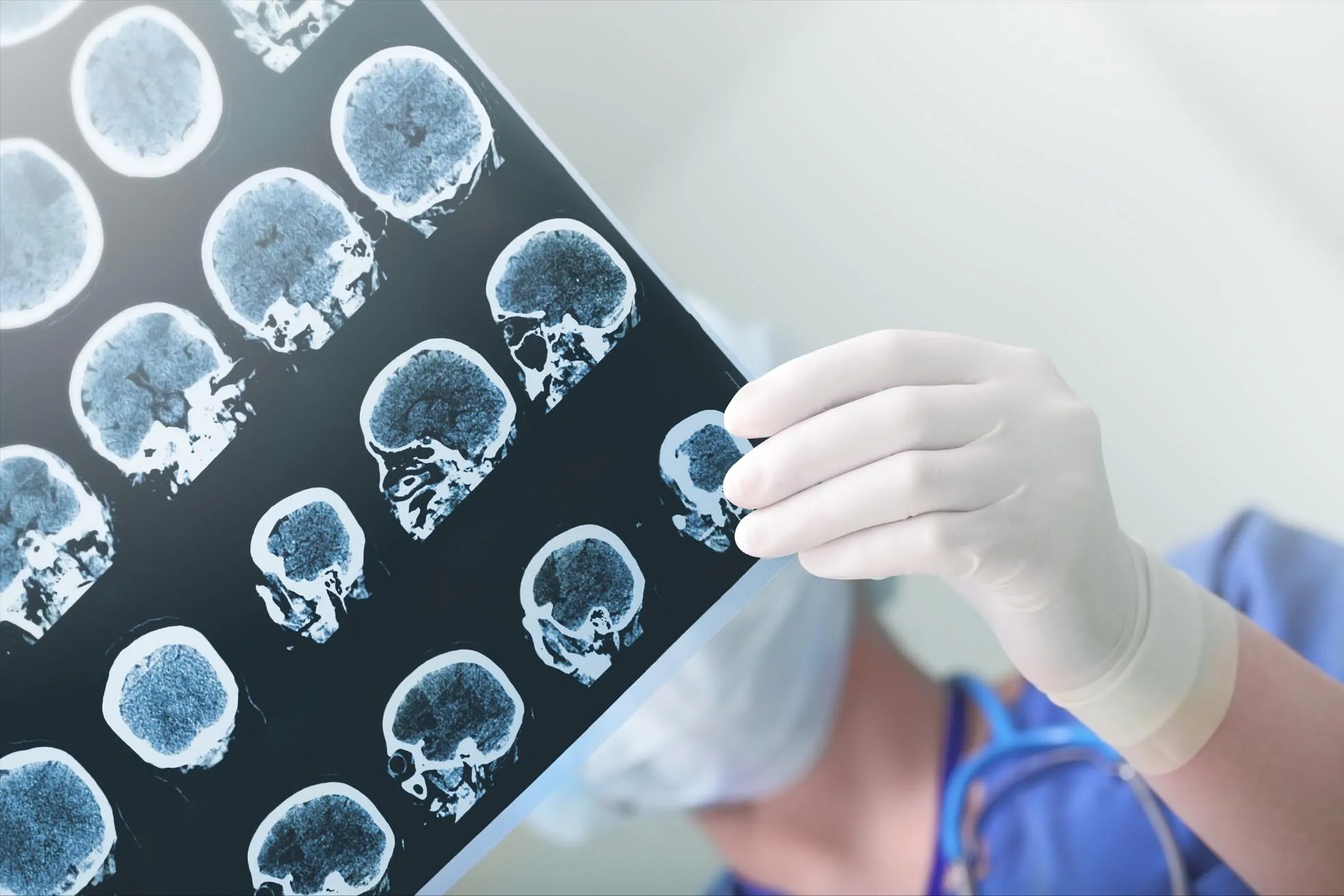
Medical Documentation Needed in Davie TBI Claims
Traumatic brain injury claims rely heavily on medical documentation because symptoms may change over time and sometimes do not appear clearly on one test. Our attorneys often gather and review:
- Emergency room notes and initial imaging: We collect emergency room notes, triage observations, and first CT or X-ray images. These records help us understand how the injury was first documented and what symptoms or concerns doctors identified immediately after the incident.
- CT, MRI, or PET scans and radiology interpretations: We review CT, MRI, or PET scans together with radiology reports. These tests may reveal bleeding, swelling, or structural changes, and they help support our understanding of how the brain reacted to the trauma.
- Neurologist and neurosurgeon evaluations: We examine neurologist and neurosurgeon evaluations that describe cognitive changes, motor issues, seizure risk, or other complications. These opinions help us understand severity, prognosis, and the medical basis for recommended treatment plans in Davie TBI cases.
- Physical, occupational, and speech therapy notes: We analyze physical, occupational, and speech therapy notes that describe progress, setbacks, and functional limitations. These records show how the TBI affects walking, coordination, communication, self-care, and the ability to perform everyday tasks over time.
- Pain management and medication records: We review pain management notes and medication histories, including prescriptions for headaches, dizziness, sleep problems, or mood changes. These records help us understand how ongoing symptoms are treated and whether side effects influence daily functioning.
- Functional capacity evaluations and return-to-work assessments: We study functional capacity evaluations and return-to-work assessments that outline lifting limits, standing tolerance, cognitive demands, and safety concerns. These findings help us explain how the traumatic brain injury affects employment options and necessary workplace accommodations.
How We Build a Traumatic Brain Injury Claim in Davie
We follow a structured, step-by-step approach when we build a traumatic brain injury claim in Davie.
We start by listening carefully to the client’s story, including the incident, the medical journey, and the changes in daily life. We gather evidence from the scene, such as photographs, video, and witness statements, along with any police reports or incident forms.
We request and review all relevant medical records, from the first emergency evaluation through rehabilitation and follow-up care. We consult experts in neurology, neuropsychology, rehabilitation medicine, or accident reconstruction when their insight may clarify disputed issues.
We consider Florida’s current legal rules, including the two-year statute of limitations for most negligence cases under Section 95.11 and the modified comparative negligence standard that may limit recovery when someone is found more than 50 percent at fault.
As a Davie traumatic brain injury lawyer, we then prepare a demand that explains the facts, the medical evidence, and the documented effect on work, independence, and quality of life, and we keep clients updated throughout the process.
Work-Related TBI and Long-Term Concerns
Many people worry about how a traumatic brain injury will affect their career and long-term earning ability. When a head injury happens at work, the questions become even more complex.
We review job descriptions, performance histories, and the specific restrictions that medical providers have issued. Functional capacity evaluations and vocational assessments often explain what type of work remains realistic and what accommodations may be necessary. In some situations, a person can return to a modified role, transition to a new position, or explore vocational retraining.
Speak With a Davie Traumatic Brain Injury Lawyer About Your Options
A traumatic brain injury can create uncertainty about health, work, and long-term planning. You do not have to manage medical records, legal deadlines, and insurance questions on your own. Our team at Rosenberg & Rosenberg, P.A. helps people in Davie organize documentation, understand Florida’s rules, and evaluate possible next steps in a careful, informed way.
If you or a loved one experienced a head injury in a crash, fall, workplace incident, or another event, we encourage you to contact us today to discuss your concerns and available options. A Davie traumatic brain injury lawyer from our team can review the information you already have, suggest additional records that may be useful, and outline the stages of the claims process so you feel more prepared as you move forward.
FAQs About Traumatic Brain Injury Claims in Davie
- What is considered a traumatic brain injury in Florida?
Doctors consider a traumatic brain injury when a blow, jolt, or penetrating injury disrupts how the brain functions. Imaging, neurological exams, and symptom history help classify mild, moderate, or severe forms. A Davie traumatic brain injury lawyer can help review these findings in the context of a potential claim. - When should someone contact a brain injury attorney after an incident in Davie?
Many people reach out when symptoms such as headaches, dizziness, memory problems, or mood changes continue after a crash, fall, or workplace event. Speaking with a Davie traumatic brain injury lawyer early can make it easier to track records and understand which documents may become important later. - What deadlines apply to traumatic brain injury claims in Florida?
Under Florida Statutes Section 95.11, most negligence claims that arise after March 2023 must be filed within two years. Certain situations may involve different timelines. We review each case individually so clients understand how these rules may apply to their circumstances. - How does shared fault affect a traumatic brain injury case?
Florida uses a modified comparative negligence system. If more than one party shares responsibility, each percentage of fault may influence the outcome, and recovery may be barred if a person is found more than 50 percent responsible, subject to statutory exceptions. We explain these rules in detail during a case review. - Do all traumatic brain injuries show up on scans?
Not always. Some mild or moderate TBIs may not appear clearly on CT or MRI results. That is why doctors also rely on neurological exams, symptom tracking, and cognitive testing. We help clients gather and organize these records so the full picture appears. - Can a traumatic brain injury affect work or school performance?
Yes. Many people experience fatigue, slower processing, concentration issues, or communication challenges. These changes may affect job tasks, academic performance, or professional development. We work with clients and, when appropriate, vocational experts to understand how these issues influence long-term planning. - Will every traumatic brain injury claim go to trial?
No. Some claims resolve through negotiation, while others require litigation. The path depends on the facts, the medical evidence, and how insurers respond. We discuss realistic expectations with each client and explain what steps may occur next. - Can family members help document the effects of a TBI?
Family members often notice changes in mood, sleep, memory, or behavior that the injured person may not recognize fully. Their observations can support medical evaluations and provide helpful context when we describe how the injury affects daily life. - Does your firm offer language support for TBI clients in Davie?
Yes. We offer support in English, Spanish, and Creole so clients and families can communicate in the language they feel most comfortable using. Clear communication helps us answer questions and explain options more effectively. - How can someone learn more about their options after a TBI in Davie?
A person can schedule time to speak with a Davie traumatic brain injury lawyer on our team. We review available records, discuss possible next steps, and explain how Florida law may apply, always using protective language that avoids promises or guarantees.
