
Catastrophic injuries impact every part of a person’s life, including mobility, long-term independence, daily functioning, and employment. When a severe injury occurs in a busy and continually developing area like Davie, individuals often seek a Davie catastrophic injuries lawyer to help understand documentation requirements, Florida filing deadlines, and the steps needed to protect their legal rights. Rosenberg & Rosenberg, P.A., guides clients through the process by reviewing medical records, collecting evidence, and helping organize the information needed for a complex claim.
Davie features a unique blend of rural character, dense commercial corridors, educational campuses, equestrian trails, and busy roadways. The combination of heavy traffic, construction expansion, tourism, and agricultural activity increases the likelihood of catastrophic incidents. Because these injuries may require long-term treatment, rehabilitation, and ongoing medical assessments, clients often benefit from structured legal support.
Understanding Catastrophic Injuries in Davie
Catastrophic injuries create long-term challenges that may affect movement, cognition, independence, and overall stability. These injuries can include traumatic brain injuries, spinal cord trauma, complex fractures, limb amputations, severe burns, crushing injuries, or organ damage. A Davie catastrophic injuries lawyer evaluates neurological reports, surgical findings, therapy notes, and specialist evaluations to understand how the injury occurred and what long-term effects may follow.
Davie’s environment presents several risk points where severe injuries occur, including high-volume corridors such as University Drive, Griffin Road, Davie Road, and State Road 84, where traffic patterns have steadily increased since 2019. Western Davie’s equestrian and agricultural areas also contribute to injury risks involving falls or equipment hazards. Campuses near Nova Southeastern University and Broward College bring frequent pedestrian movement and sports activity. Warehouse districts along Stirling Road and Davie Road Extension involve heavy machinery and shipping traffic, while expanding construction zones add additional hazards.
These combined factors show why many individuals seek guidance from a Davie catastrophic injuries lawyer after experiencing sudden, life-changing trauma. Rosenberg & Rosenberg, P.A. reviews diagnostic imaging, physician statements, therapy documentation, and long-term treatment plans to gain a complete understanding of each situation.
City Conditions That Increase Catastrophic Injury Risks in Davie
Davie’s diverse layout creates several environments where catastrophic injuries may occur, especially in areas with heavy traffic, active construction, and recreational movement. Major roadways such as University Drive, Griffin Road, Stirling Road, and Davie Road experience continuous congestion, and vehicle collisions, motorcycle impacts, and rollover crashes remain a concern for residents and commuters.
Western Davie’s equestrian regions add additional risks, as horseback riding facilities, training arenas, and trail systems can lead to fall injuries or impact trauma when animals behave unpredictably, or equipment fails. Construction expansion throughout the town also contributes to injury risks, with new residential developments, roadway improvements, elevated platforms, and heavy machinery creating potential hazards for workers and bystanders.
Agricultural operations bring further concerns, as tractors, processing machinery, and livestock areas may lead to crush injuries or high-force incidents. Recreational spaces, including sports complexes, parks, and campus areas, see frequent activity that may result in severe fractures, head injuries, or joint trauma. After an incident, many individuals review Davie roadway accident data, Davie premises safety expectations, Davie commercial accident insights, or Davie campus injury resources to understand what conditions may have contributed to the event.
Case Result: Davie Catastrophic Injury Example
Catastrophic injuries require detailed support, extensive medical documentation, and strong case organization. When an injury affects long-term mobility or independence, individuals often need structured guidance to understand their options under Florida law. The following example reflects how careful preparation, medical collaboration, and organized evidence may influence the direction of a catastrophic injury claim in Davie. While results depend entirely on the unique facts of each case, this case result demonstrates how Rosenberg & Rosenberg, P.A. has helped clients navigate complex injuries resulting from severe workplace incidents.
Case Example
A Davie construction worker suffered permanent, life-altering injuries after falling from defective scaffolding on a commercial project site. The incident resulted in spinal trauma, multiple fractures, and long-term functional impairments requiring ongoing rehabilitation. Through detailed investigation, medical evaluation, and structured negotiations, the client secured a $4,100,000 settlement with support from Rosenberg & Rosenberg, P.A.
Disclaimer: The facts and circumstances of your case may differ from the matter in which this result was achieved. Not all results are provided. The results on this page are not necessarily representative of results obtained by the lawyer. Every case is different, and each client’s case must be evaluated and handled on its own merits.
A Davie catastrophic injuries lawyer may review similar documentation depending on how the injury occurred.
How We Build a Catastrophic Injury Claim in Davie
A catastrophic injury requires structured legal preparation, detailed evidence, and consistent medical documentation. As a Davie personal injury lawyer, we review how the incident occurred, how the symptoms progressed, and how the injury affects long-term stability. Our process helps ensure the claim stays organized, accurate, and aligned with applicable requirements under Florida law.
Reviewing Incident Evidence
We examine photos, videos, witness accounts, and official incident reports to understand the circumstances surrounding the injury. Many of our clients also look at Davie roadway accident data or workplace safety findings for additional context. This step helps us clarify contributing factors and establish a reliable timeline that supports the development of a detailed catastrophic injury claim.
Evaluating Medical Documentation
We review specialist notes, therapy updates, surgical records, and diagnostic tests to determine the long-term effects of the injury. These records help us explain mobility restrictions, cognitive changes, nerve damage, or other lasting symptoms. Consistent medical documentation strengthens the foundation of the claim and reflects how the catastrophic injury influences daily life and future independence.
Consulting Experts
We work with neurologists, surgeons, vocational specialists, accident reconstruction professionals, and rehabilitation experts when a case requires additional support. Their evaluations help us understand long-term limitations, future care needs, and expected recovery timelines. These insights strengthen the claim and ensure that insurers or other parties receive accurate and professionally supported information.
Assessing Long-Term Needs
As a Davie severe injury lawyer, we review therapy schedules, mobility equipment, workplace restrictions, transportation challenges, and necessary home modifications. These details help us explain how the catastrophic injury affects employment, daily routines, and long-term stability. This assessment allows us to present a complete picture of the individual’s ongoing needs.
Communicating With Insurers
Insurers may challenge treatment plans or long-term medical recommendations. We address these disputes using organized documentation that explains medical necessity, functional limitations, and ongoing symptoms. This communication ensures that the severity of the injury is accurately represented and that the claim reflects reliable evidence during all stages of the negotiation process.
Medical Documentation Needed for Catastrophic Injury Claims in Davie
Catastrophic injury claims rely heavily on detailed medical documentation because long-term symptoms, functional limitations, and treatment needs must be clearly supported. At Rosenberg & Rosenberg, P.A., we organize every relevant record to show how the injury developed and how it continues to affect daily life. This includes MRI, CT, PET, and X-ray imaging, surgical reports, neurological evaluations, pain management documentation, occupational therapy updates, functional capacity assessments, rehabilitation plans, and findings from specialists.
These materials help us demonstrate the severity of the trauma, the progression of symptoms, and the individual’s long-term care requirements. They also provide insight into mobility limitations, cognitive changes, and emotional or psychological effects that may interfere with work, transportation, and personal responsibilities.
Our attorneys review recommended accommodations, vocational restrictions, and any projected need for continued therapy or assistive equipment. A Davie catastrophic injuries lawyer on our team organizes these documents into a clear, accessible format so insurers, experts, and other parties can accurately understand the full impact of the injury.
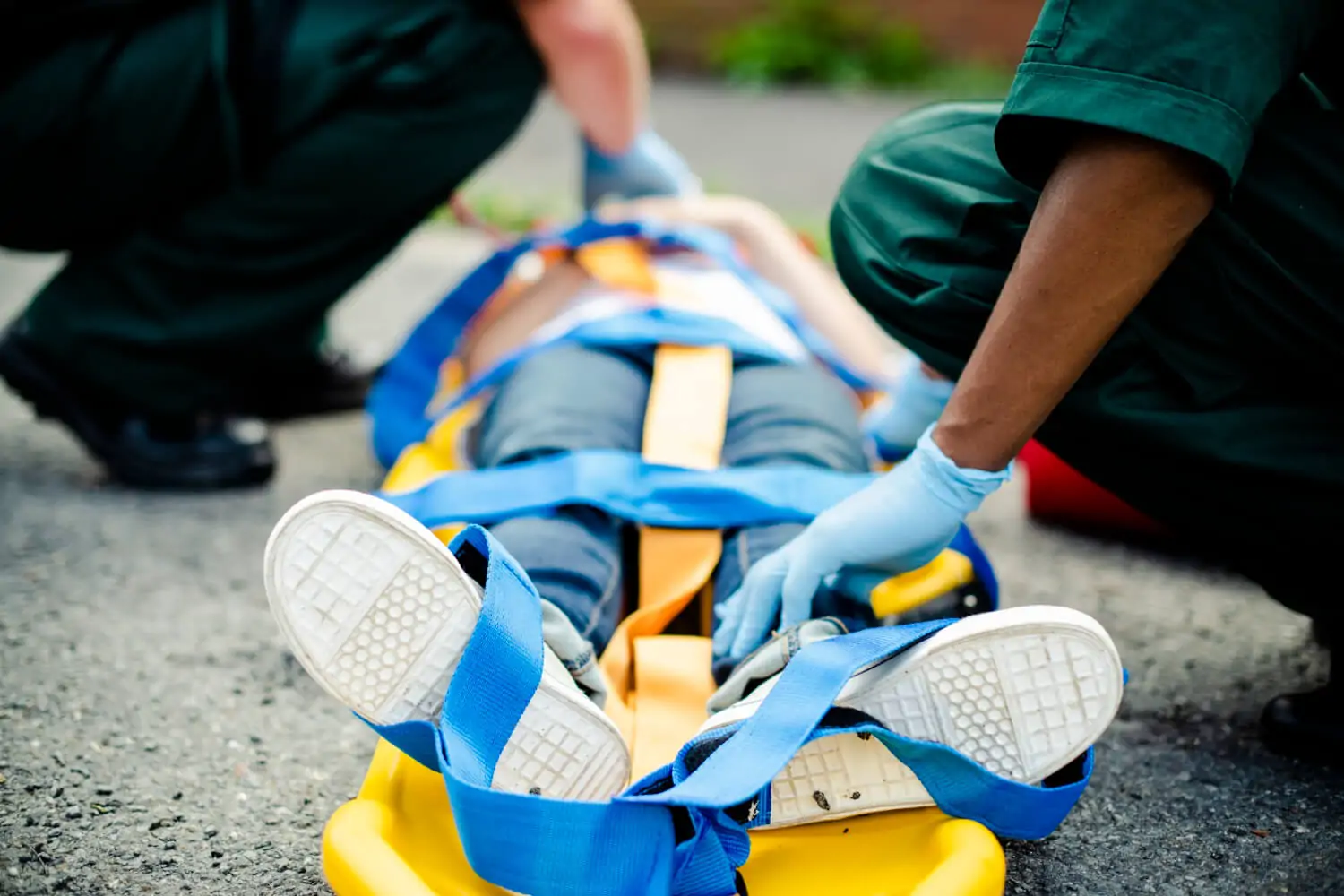
How a Davie Severe Injury Lawyer Reviews Long-Term Impact
When we evaluate a catastrophic or severe injury, we look beyond the initial trauma. We focus on how symptoms progress, how daily responsibilities change, and how long-term limitations may affect independence. Each factor helps us understand the full scope of the individual’s ongoing needs.
- Neurological Damage: We review neurological evaluations, cognitive assessments, and specialist notes to understand how the injury affects brain function. This includes changes in coordination, sensory processing, or communication. Tracking these symptoms helps us document how neurological issues evolve over time and how they influence safety, mobility, and long-term medical planning.
- Memory and Concentration Difficulties: We examine medical records that document challenges with short-term memory, concentration, and information processing. These issues may affect work performance, learning, and daily activities. Understanding these cognitive limitations allows us to present a clear picture of how the injury disrupts routine responsibilities and long-term independence in meaningful ways.
- Mobility Constraints: We analyze physical therapy notes, orthopedic evaluations, and functional capacity tests to understand how mobility limitations influence walking, lifting, balance, and stamina. These restrictions may require mobility devices, therapy programs, or home adjustments. Documenting these limitations helps us explain how the injury affects physical stability and daily functioning.
- Occupational Restrictions: We review vocational assessments, workplace reports, and medical recommendations to determine how the injury affects job tasks. Some individuals may struggle with lifting, prolonged standing, concentration, or physical coordination. By understanding these limitations, we can explain how the injury impacts earning ability and long-term career planning.
- Daily Living Challenges: We examine how the injury interferes with essential tasks such as bathing, dressing, cooking, driving, or managing household responsibilities. These difficulties may require assistance, adaptive equipment, or therapy. Documenting these changes helps us illustrate the real-world impact of the injury on daily independence and overall quality of life.
- Emotional and Psychological Effects: We review counseling notes, psychological evaluations, and reported symptoms such as anxiety, depression, irritability, or post-injury stress. Emotional effects often develop alongside physical limitations. Understanding these challenges helps us present a complete picture of how the injury influences mental health, daily interactions, and long-term well-being.
How Rosenberg & Rosenberg, P.A. Supports Individuals After Catastrophic Injuries
A catastrophic injury creates immediate challenges involving medical care, daily responsibilities, and long-term planning. At Rosenberg & Rosenberg, P.A., we provide structured support by reviewing medical findings, evaluating evidence, and explaining how Florida law applies to each situation. As a Davie catastrophic injuries lawyer, we begin by examining neurologist reports, trauma records, surgical notes, and imaging results to understand the full extent of the injury and its long-term implications.
We organize rehabilitation and therapy documentation to show how mobility, strength, balance, and functional capacity change over time. Our team works with spine surgeons, orthopedic specialists, neurologists, and vocational rehabilitation professionals to gather accurate opinions about long-term needs and realistic recovery expectations. We prepare treatment notes, imaging results, and workplace information in a clear format that insurers can evaluate without confusion.
We also communicate directly with insurers to address questions about therapy plans or specialist recommendations using organized, reliable evidence. Our team explains Florida’s updated two-year deadline under Section 95.11 and reviews how timing may affect available options. We provide support in English, Spanish, and Creole to ensure every client can communicate clearly throughout the process.
Contact Rosenberg & Rosenberg, P.A. for Guidance After a Catastrophic Injury in Davie
Catastrophic injuries can change lives, but individuals do not need to navigate the aftermath alone. Rosenberg & Rosenberg, P.A., provides structured case preparation, documentation support, and guidance grounded in Florida law. Speaking directly with a Davie catastrophic injuries lawyer may help you understand what evidence is required and which next steps may apply. To discuss your situation or review your options, you may contact the firm today.
FAQs About Catastrophic Injury Claims in Davie
- What qualifies as a catastrophic injury in Florida?
A catastrophic injury involves long-term or permanent impairment affecting major bodily functions. - When should someone contact a Davie catastrophic injuries lawyer?
Individuals typically reach out when injuries disrupt mobility, independence, or employment. - What evidence is needed for these cases?
Medical imaging, therapy notes, specialist evaluations, and incident reports are essential. - How does fault impact the claim?
Florida’s modified comparative negligence system may reduce recovery based on the percentage of fault and may bar recovery if a person is found more than 50 percent responsible, subject to statutory exceptions. - Is there a deadline to file?
Yes, most negligence claims must be filed within two years under Section 95.11. - Are catastrophic injuries common in Davie?
Busy roads, construction activity, and recreational areas contribute to elevated risks. - Can a case require expert witnesses?
Yes. Specialists often help explain long-term implications. - Does Rosenberg & Rosenberg, P.A. offer multilingual support?
Yes. English, Spanish, and Creole support is available. - Will every case require litigation?
Not always. Some resolve through negotiation, while others move to litigation depending on dispute complexity. - Can catastrophic injuries affect employment?
Many severe injuries impact long-term job duties, mobility, or vocational capacity.
