What Should You Do If the Other Driver Refuses to Share Insurance Information in Florida?
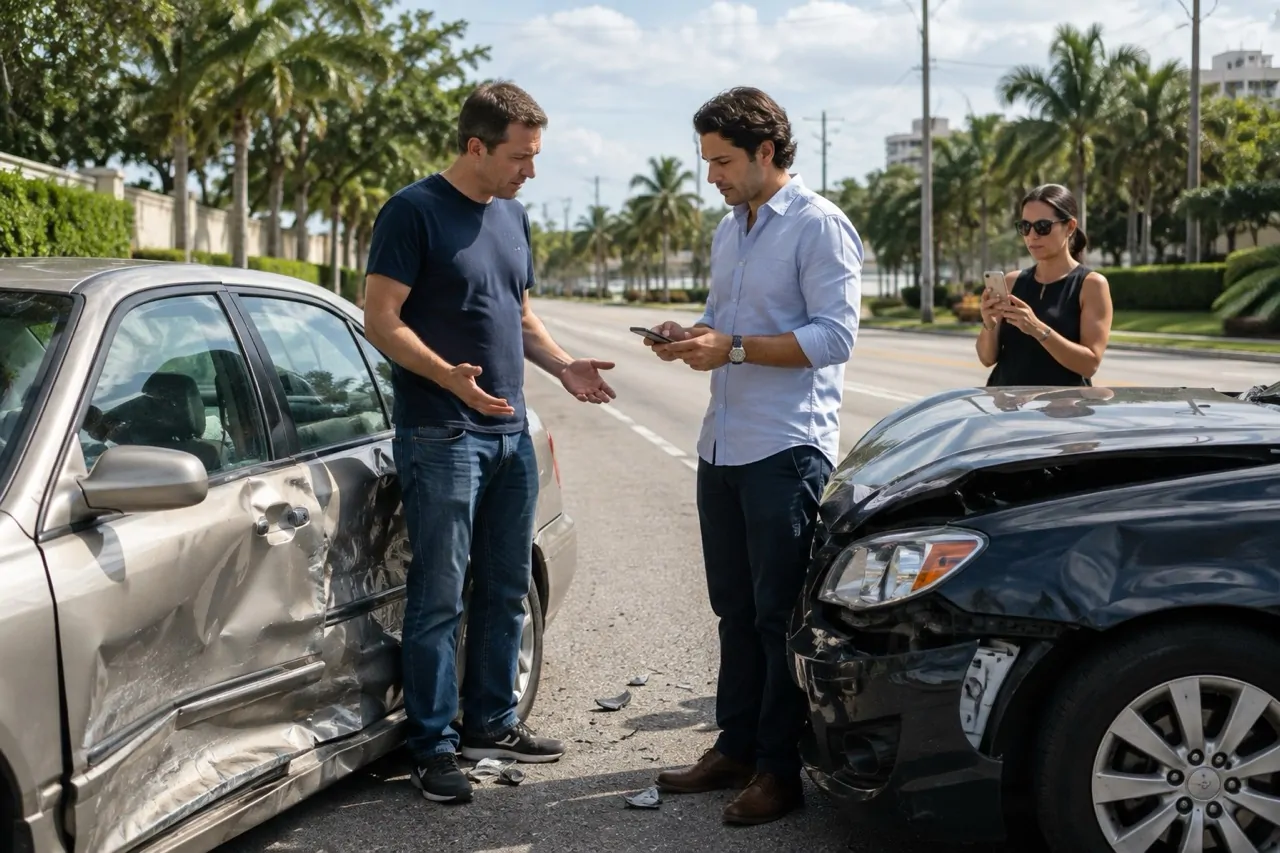
The crash just happened. You are shaken. You approach the other driver to exchange information. They refuse. This situation is more common than most people expect, and it creates real problems for the injured party trying to protect their legal rights. A driver who refuses to share insurance information may be uninsured, worried about their record, or simply acting out of panic. Whatever the reason, their refusal does not remove your ability to pursue a claim.
Florida law gives injured drivers specific tools and protections in this situation. Knowing how to respond at the scene and what steps to take immediately after may significantly affect the outcome of your claim. In this blog, you will get to know exactly what to do when a driver refuses to share insurance information after a Florida crash.
Is It Illegal to Refuse to Exchange Insurance Information in Florida?
Yes. Florida law generally requires drivers involved in a motor vehicle accident to exchange certain information at the scene. This includes their name, address, vehicle registration information, and insurance information upon request. Refusing to provide this information may violate Florida law and could result in consequences separate from any insurance claim or personal injury case.
If another driver refuses to share their insurance information, try to remain calm and avoid arguing. Instead, notify law enforcement so an officer can document the situation and prepare an accident report if appropriate. The driver’s refusal may become part of the official record, which could be relevant during the claims process.
Steps to Take If the Other Driver Refuses to Share Insurance Information
A driver who refuses to provide insurance information after a car accident can make an already stressful situation even more confusing. While you cannot force someone to cooperate, there are practical steps you can take to protect yourself and preserve important information. Acting calmly, documenting the accident, and following Florida’s reporting requirements may help support the insurance claims process and protect your interests. The actions you take immediately after the crash can make a meaningful difference later.
Here are four important steps to consider after an accident with an uncooperative driver:
Step 1: Call Law Enforcement Immediately
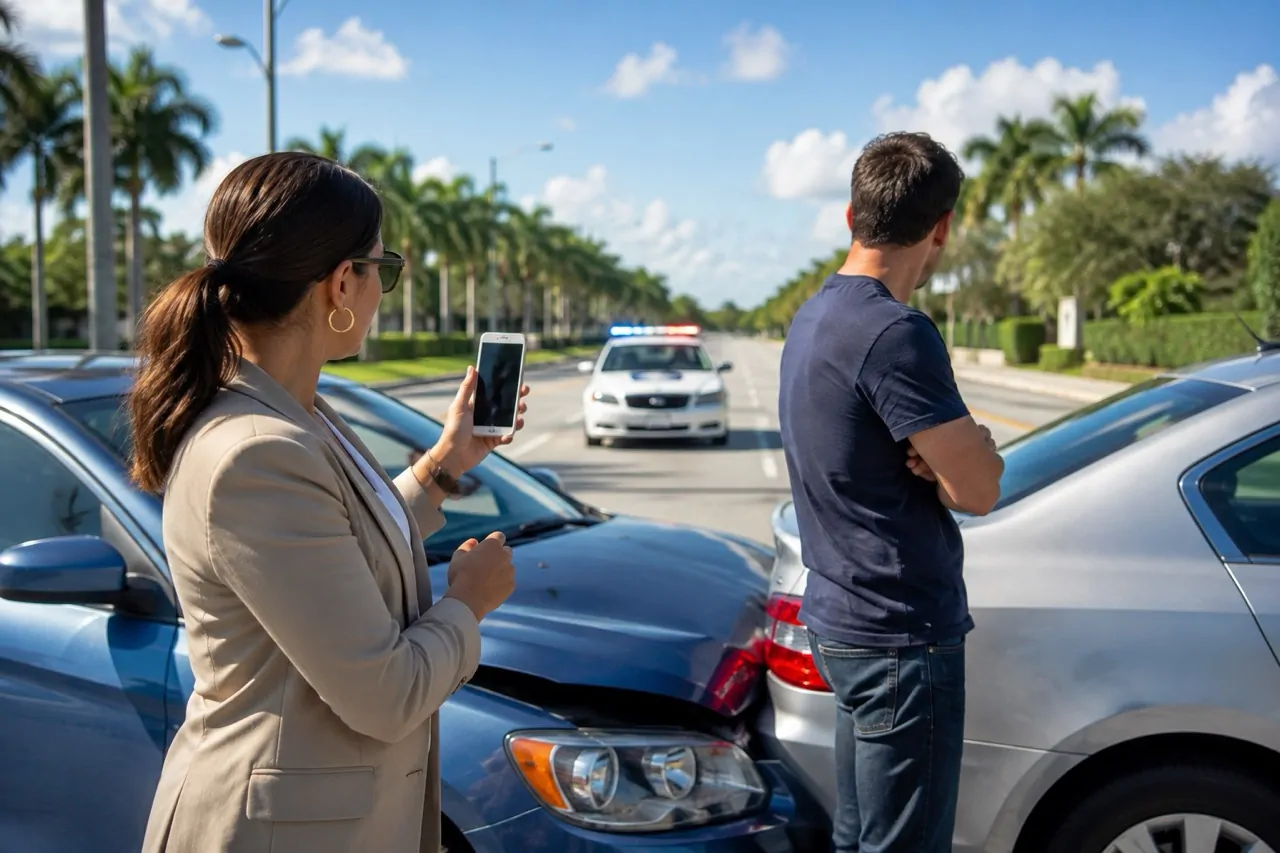
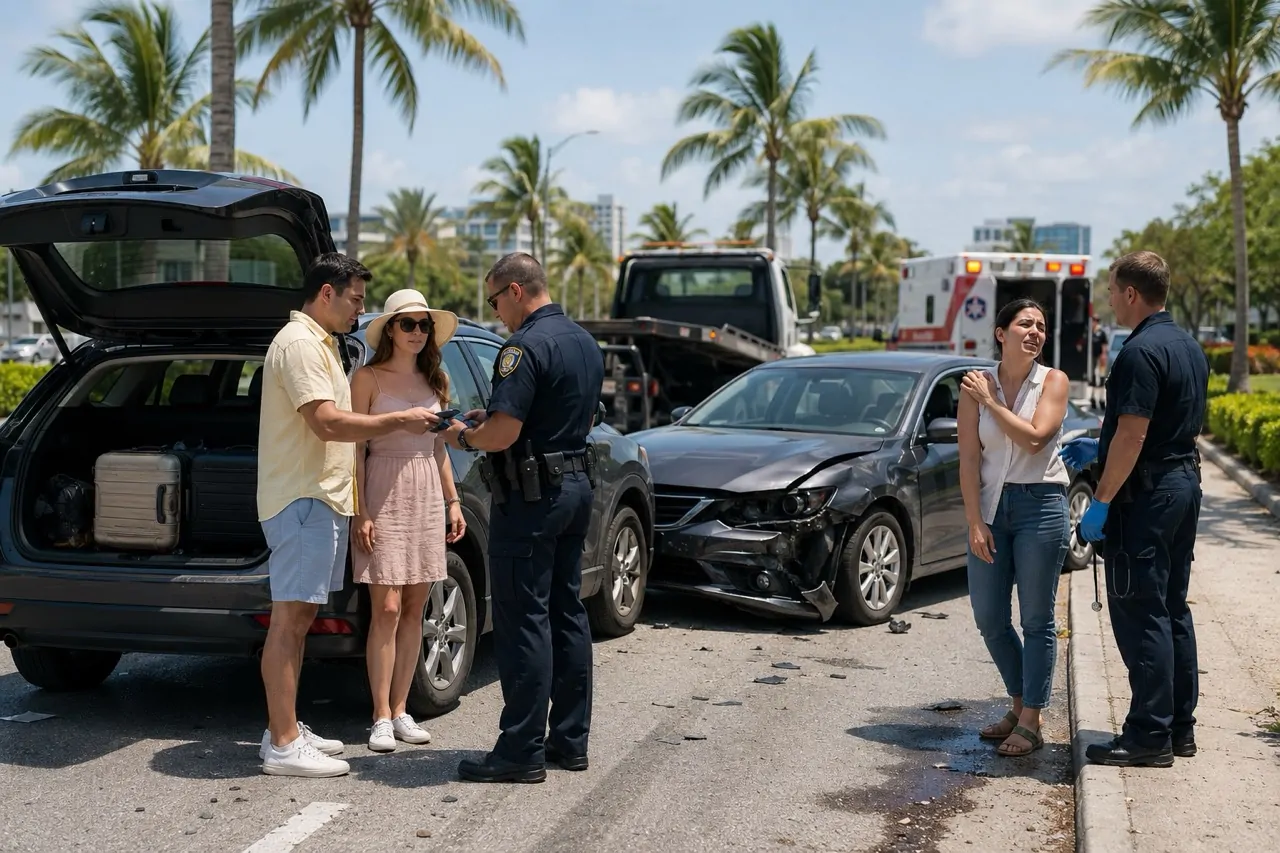
If the other driver refuses to provide insurance information, contact law enforcement as soon as possible. A responding officer can help document the accident and gather important information about the people and vehicles involved. The officer may verify the driver’s identity, vehicle registration, and insurance information, if available, and prepare an official crash report. This report may be useful when reporting the accident to your insurance company or addressing issues related to your claim. When speaking with the dispatcher, explain that the other driver is refusing to exchange insurance information so the responding officer understands the situation before arriving.
Step 2: Document Everything You Can at the Scene
If it is safe to do so, gather as much information as you can while waiting for law enforcement. Documenting the scene may help preserve important details that could be useful during the insurance or claims process.
- Take photos of the other vehicle, including the license plate, make, model, color, and any visible damage.
- Photograph the accident scene, road conditions, traffic signs, skid marks, and nearby landmarks.
- Collect the names and contact information of any witnesses, if possible.
- Make a note of the other driver’s appearance if it can be done safely.
- If the driver leaves before law enforcement arrives, note the direction they traveled and share that information with the responding officer.
Even if the other driver refuses to cooperate, you can still document what is visible at the scene in a safe and lawful manner.
Step 3: Avoid Confronting the Other Driver
If the other driver refuses to cooperate, avoid arguing or attempting to force them to provide information. Car accidents can be stressful, and emotions often run high, but keeping a safe distance helps reduce the risk of further conflict. Focus on protecting your safety while documenting the accident if it is safe to do so. Once law enforcement arrives, allow the responding officer to communicate with the other driver and gather the necessary information. Remaining calm and following the proper reporting process may also help avoid unnecessary complications during the insurance claim.
Step 4: Seek Medical Attention as Soon as Possible
Your health should remain the top priority after any car accident, even if you do not notice injuries right away. Conditions such as whiplash, concussions, and soft tissue injuries may not produce immediate symptoms. A prompt medical evaluation can help identify injuries early and ensure you receive appropriate care. Medical records may also help document when your injuries were first identified and how they relate to the accident. In Florida, individuals generally must receive initial medical treatment within 14 days of a car accident to qualify for Personal Injury Protection (PIP) benefits. Seeking timely medical care may help protect both your recovery and your available legal options.
What Happens After You Leave the Scene
After leaving the accident scene, it is important to report the crash to your insurance company as soon as reasonably possible. Let your insurer know that the other driver refused to provide insurance information and that a police report was filed. Information such as the police report, vehicle description, and license plate number may help identify the vehicle owner and the applicable insurance coverage during the claims process.
A driver’s refusal to share insurance information at the scene does not necessarily prevent you from pursuing an insurance claim. Law enforcement and insurance companies may be able to use available information to help identify the driver and investigate the accident.
If you are covered by Florida Personal Injury Protection (PIP) insurance, your policy may provide benefits for certain medical expenses and lost wages after a car accident, regardless of who was at fault. Whether additional compensation may be available depends on the specific facts of the accident, the insurance coverage involved, and the nature of the injuries.
What If the Other Driver Has No Insurance?
Sometimes, a driver may refuse to provide insurance information because they do not have active insurance coverage. Florida has a relatively high number of uninsured drivers, so this situation is not uncommon. If you have uninsured motorist (UM) coverage as part of your own auto insurance policy, it may help cover certain losses when the at-fault driver is uninsured or cannot be identified. Coverage depends on the terms of your policy. If you do not have UM coverage, you may still have legal options depending on the circumstances of the accident. A police report, license plate information, photographs, and witness statements may help identify the driver and support your claim.
Can You Still File a Claim Without the Other Driver’s Insurance Information?
Yes, in many situations you may still be able to pursue an insurance claim even if the other driver refuses to provide their insurance information. A police report, the vehicle’s license plate number, and other details gathered at the scene may help identify the driver and determine what insurance coverage may be available. Your own insurance company may also investigate the accident and communicate with the other driver’s insurer as part of the claims process. While a driver’s refusal to share insurance information can make the process more complicated, it does not necessarily prevent you from exploring your legal and insurance options under Florida law.
Mistakes to Avoid When a Driver Refuses to Cooperate
Speak With a Fort Lauderdale Car Accident Lawyer About Your Options
When a driver refuses to share insurance information, the path forward requires knowing exactly which steps to take and when. Rosenberg & Rosenberg, P.A. has been helping injured drivers navigate difficult crash situations across South Florida for over 50 years. Our team understands what to do when the other driver does not cooperate and how to pursue available compensation through every channel the law provides.
We are available 24 hours a day, 7 days a week. We offer free consultations and charge no fees unless we recover for you. If the driver who hit you refused to share their insurance details, speaking with our team may help you understand your rights and what options remain available.
Let our family help your family.
Disclaimer: The information provided in this article is for general informational purposes only and does not constitute legal advice. Reading this content does not create an attorney-client relationship with Rosenberg & Rosenberg, P.A. Every case is different, and outcomes depend on the specific facts and circumstances involved. Florida law is subject to change. Past results do not guarantee similar outcomes in other cases. You should consult a qualified attorney regarding your individual situation. Rosenberg & Rosenberg, P.A. serves clients in Fort Lauderdale, Hollywood, and surrounding communities throughout South Florida.