Can You File a Claim If There Is No Police Report?
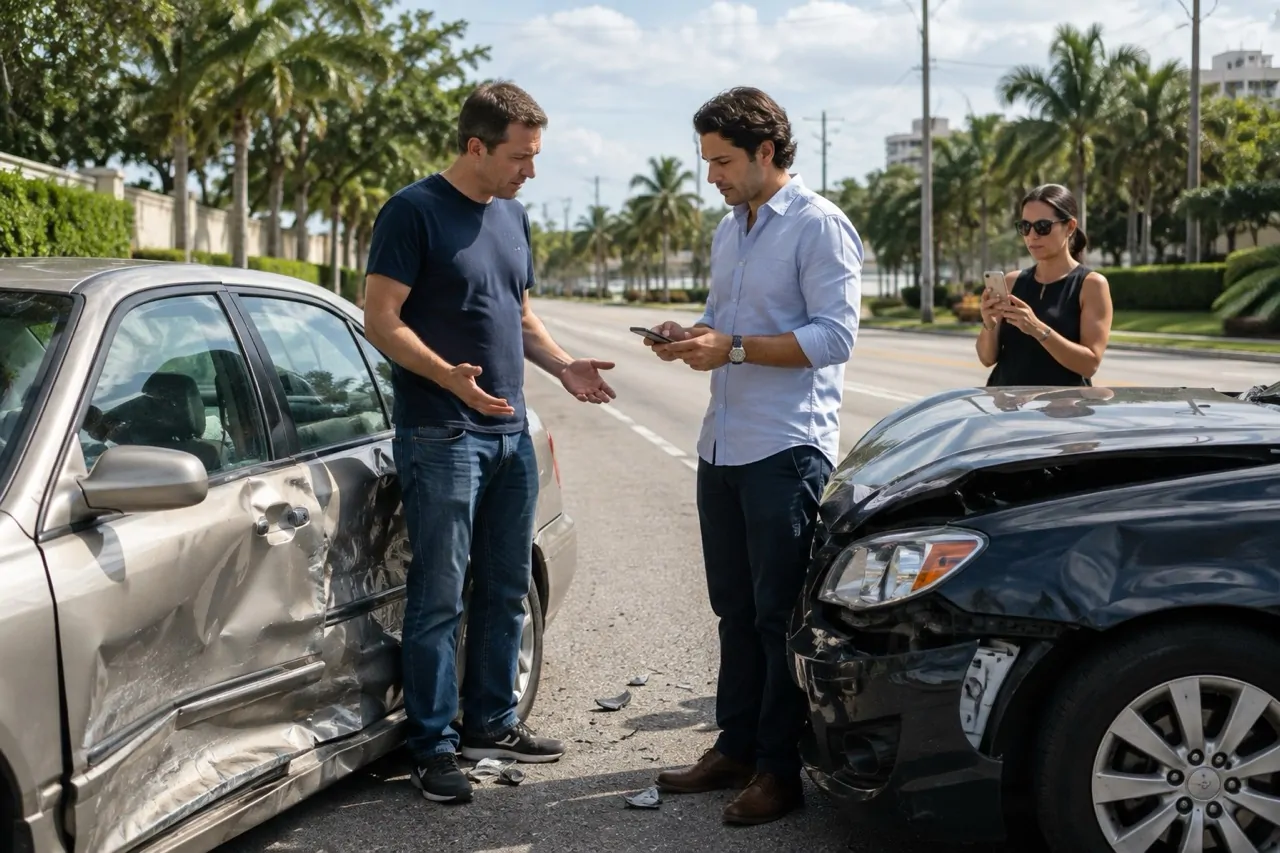
The crash happened. Maybe it felt minor at the time. Maybe the other driver talked you out of calling police. Maybe you were too shaken to think clearly about what to do next. Now you are dealing with pain, repair costs, and an insurance process you were not prepared for. And you have no police report.
This situation puts many Florida accident victims in a difficult position. The absence of an official report creates real challenges, but it does not automatically end your ability to pursue a claim. Florida law and insurance rules still provide options for injured victims who file a claim without a police report. What matters most is what you do next. In this blog, you will get to know exactly how to move forward, what evidence can substitute for a police report, and when legal help may make a difference.
Is a Police Report Required to File an Insurance Claim in Florida?
No. Florida law does not require a police report as a mandatory condition for filing an insurance claim. However, its absence creates a significant evidentiary gap that insurers will notice. Insurance companies use police reports to verify the basic facts of a crash. The report documents who was involved, what happened, where it occurred, and what officers observed at the scene. Without one, you are asking an insurer to take your account of events at face value, and most are reluctant to do so without independent verification. This does not mean your claim is impossible. It means you need to build a stronger foundation from other available evidence.
When Are Florida Drivers Required to Call Police After a Crash?
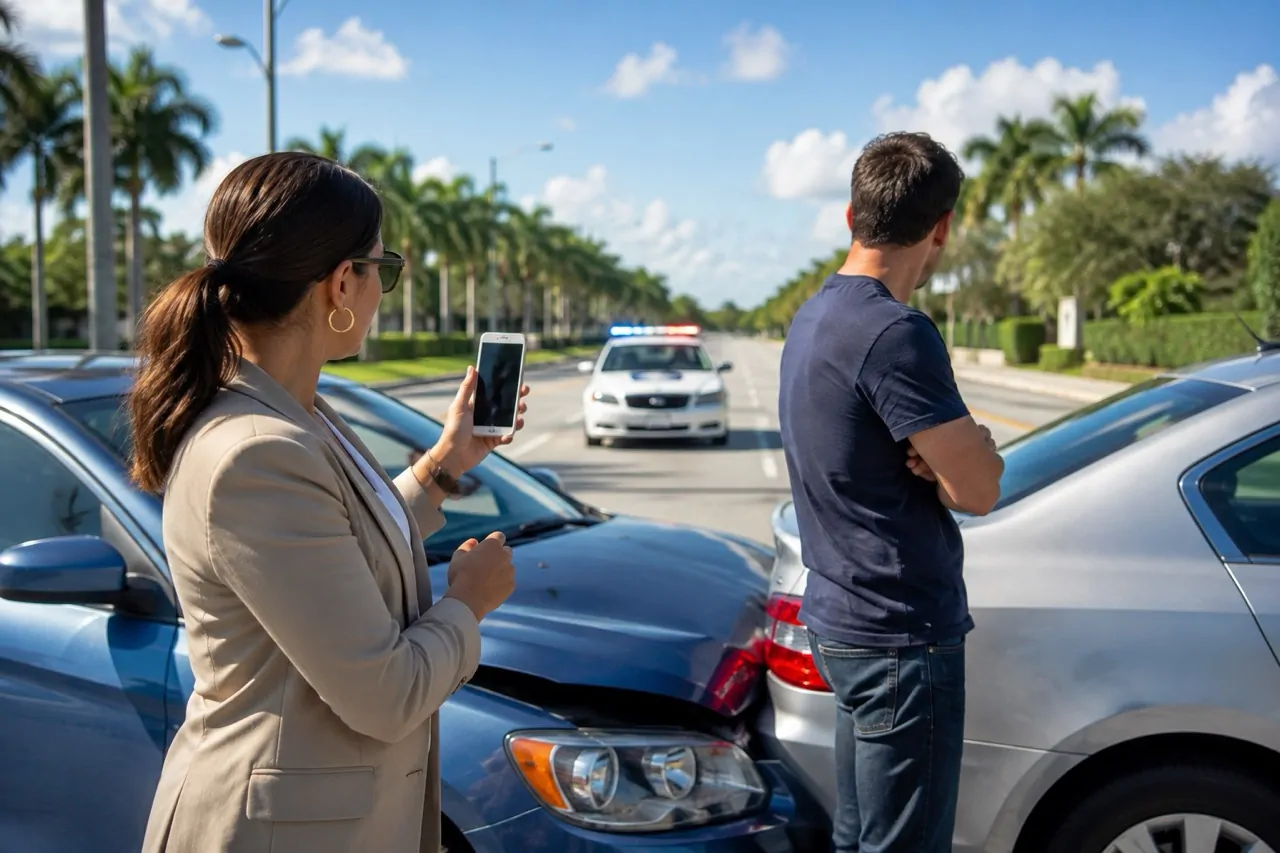
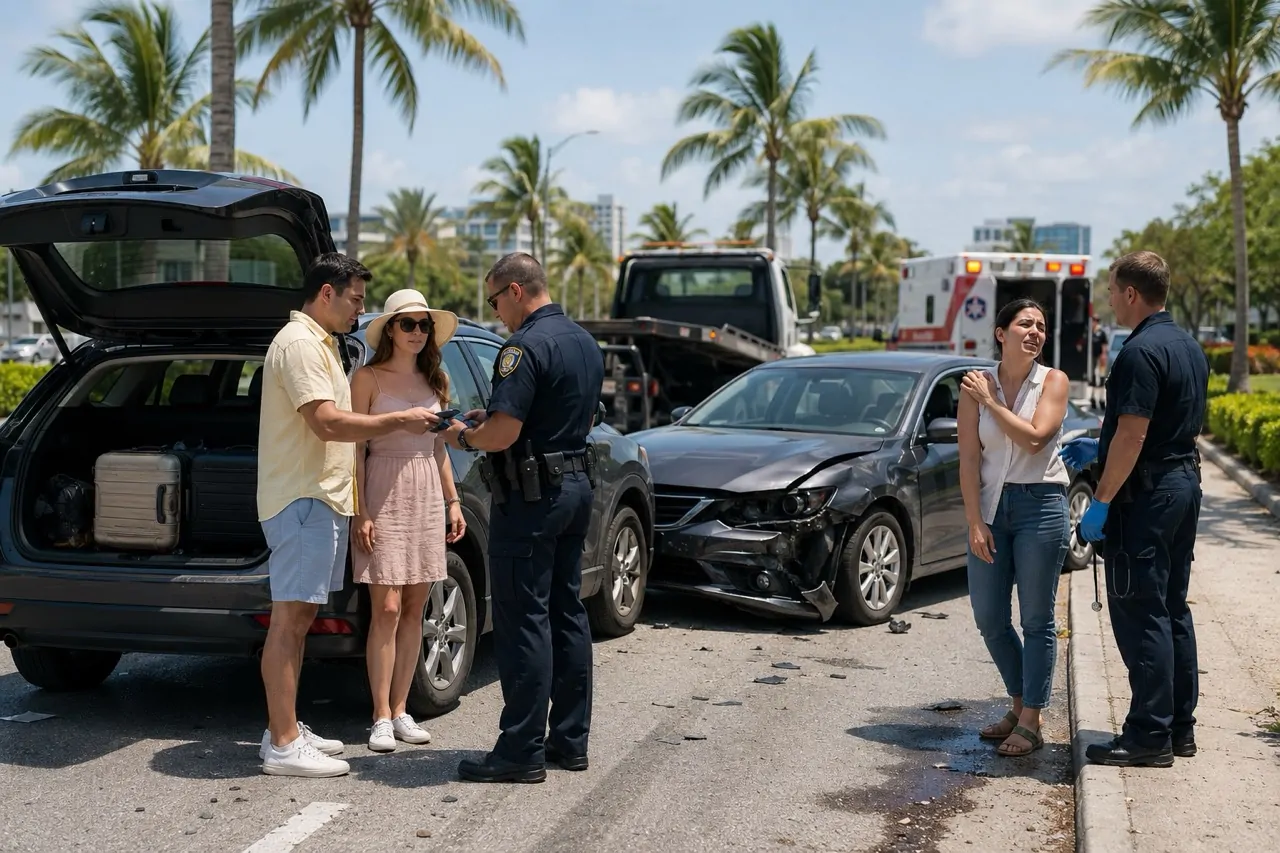
Understanding when a report is legally required helps clarify your situation. Florida Statute 316.065 requires drivers to report an accident to law enforcement when the crash results in injury, death, or property damage that renders a vehicle inoperable. For crashes involving only minor property damage where all vehicles remain drivable, a report may not be legally required in every case.
However, what feels minor at the scene may not stay minor. Injuries sometimes surface days later. Property damage estimates often exceed initial visual assessments. Many accident victims who skipped calling police wish they had made a different decision once symptoms appeared or insurer disputes began.
Can You Still File a Claim Without a Police Report in Florida?
Yes. You can file a claim without a police report in Florida. The process is harder, but it is not closed to you. Your own Personal Injury Protection coverage activates regardless of whether police responded to the scene. Florida’s no-fault system does not condition PIP access on the existence of an official accident report.
You still need to report the accident to your insurer, seek medical care within 14 days, and document your injuries, but the absence of a police report does not automatically disqualify you from your own PIP benefits. For claims against the at-fault driver’s liability coverage, the evidentiary challenge is greater. Without a report, you must support your version of events through other documentation.
What Evidence Can Replace a Police Report?
A police report can provide useful details after a car accident, but it is not the only evidence you can use to support a claim. If no officer came to the scene, you can still build a strong record of what happened. Photos, witness accounts, medical records, and other documents can help show the accident, establish fault, and connect your injuries or vehicle damage to the crash. The key is to collect and preserve evidence as soon as possible. The following types of evidence may help support your claim when a police report is unavailable:
- Photos and videos from the scene — Take pictures of vehicle damage, road conditions, traffic signs, signals, and visible injuries.
- Witness statements — Ask people who saw the crash to provide their contact information and, when possible, a written account of what they witnessed.
- The other driver’s information — Keep the driver’s name, contact details, insurance information, and vehicle details as proof that the accident occurred.
- Dashcam footage — Video from your vehicle or another nearby car may show how the collision happened.
- Nearby surveillance footage — Businesses, parking lots, and traffic cameras may have recorded the accident.
- Medical records — Medical records from shortly after the accident can help connect your injuries to the crash.
- Repair estimates and damage reports — Documentation from a mechanic or body shop can help show the extent of your vehicle damage.
Can You File a Police Report After Leaving the Scene?
Leaving an accident scene without speaking to police does not always mean you have no way to document what happened. In Florida, you may still have options for creating an official crash record. Taking action quickly can help preserve important details and support an insurance claim. While a late report may not replace an officer’s report, it can still provide useful documentation when combined with photos, witness information, medical records, and other evidence. Here is what you should know about filing a report after leaving the scene:
Filing a Late Report in Florida
If police did not respond to the crash, you may be able to file a crash report with the Florida Department of Highway Safety and Motor Vehicles. This is generally known as a self-reported or driver-filed crash report. Filing the report does not make it equivalent to a report prepared by an officer at the scene. However, it can create an official record of the accident. Filing it as soon as possible can help document the incident while the details remain fresh.
What a Late Report Includes
A late crash report generally requires important details about the accident. You may need to provide the date, time, and location, explain how the crash happened, and provide information about the other driver. You should also include details about injuries and vehicle or property damage. Make sure the information is accurate and consistent with your other evidence. Differences between your report, medical records, photographs, or insurance statements could create questions about what happened.
How This Helps When You File a Claim Without a Police Report
A self-filed crash report can help show that you took steps to document the accident. It may also establish when and where you reported the incident. This can become useful if the other driver later denies that the crash happened or disputes important details. However, the report should not be your only evidence. Keep photographs, witness information, medical records, repair estimates, insurance communications, and other documents that can help support your version of events.
What Happens When the Other Driver Denies the Accident?
How Does the Insurer Evaluate a Claim Without a Police Report?
Insurers approach claims without police reports with more scrutiny. Understanding their process may help you prepare. When no report exists, the adjuster relies more heavily on recorded statements, photos, witness accounts, and medical documentation to piece together what happened. They may request a recorded statement from you early in the process. Be cautious here. What you say in a recorded statement can be used to minimize or dispute your claim. Speaking with a legal professional before providing any recorded statement may protect your interests.
Insurers may also conduct their own investigation, including reaching out to the other driver and reviewing any available surveillance footage from the area. The thoroughness of your own documentation directly affects how much independent verification the insurer needs to conduct.
Mistakes That Hurt Claims Without a Police Report
A police report can provide useful evidence after a Florida car accident, but not having one does not automatically end your claim. You may still have other ways to prove what happened, including medical records, photos, witness statements, insurance documents, and your own crash report. However, mistakes after the accident can make your case harder to support. Knowing what to avoid can help you protect important evidence and strengthen your position when dealing with an insurance company. If you are pursuing a claim without a police report, avoid these common mistakes:
- Waiting too long to seek medical care — Delaying treatment can weaken the connection between the accident and your injuries and may affect PIP eligibility under Florida’s 14-day rule.
- Failing to document the scene before leaving — Photos, videos, and witness contact information can provide valuable evidence that may be difficult to obtain later.
- Giving a recorded statement before consulting a lawyer — Statements made without legal guidance could be used by an insurer to challenge or reduce your claim.
- Assuming the claim is hopeless — A missing police report does not automatically prevent you from pursuing compensation. Other evidence may help support your claim.
- Not filing a self-reported crash report promptly — Waiting too long to document the accident may make the report less useful when supporting your version of events.
- Accepting an early settlement offer — An early offer may not account for the full extent of your injuries, medical expenses, lost income, or other damages.
Speak With a Fort Lauderdale Car Accident Lawyer About Your Claim
No police report does not mean no options. Rosenberg & Rosenberg, P.A. has been helping injured drivers across South Florida navigate difficult claim situations for over 50 years. Our team understands how to build and support injury claims even when the documentation is incomplete or disputed.
We are available 24 hours a day, 7 days a week. We offer free consultations and charge no fees unless we recover for you. If you were hurt in an accident and have no police report, speaking with our team may help you understand what evidence you have and what steps may still be available to you.
Let our family help your family.
Disclaimer: The information provided in this article is for general informational purposes only and does not constitute legal advice. Reading this content does not create an attorney-client relationship with Rosenberg & Rosenberg, P.A. Every case is different, and outcomes depend on the specific facts and circumstances involved. Florida law is subject to change. Past results do not guarantee similar outcomes in other cases. You should consult a qualified attorney regarding your individual situation. Rosenberg & Rosenberg, P.A. serves clients in Fort Lauderdale, Hollywood, and surrounding communities throughout South Florida.