What Should You Do If the Driver Who Hit You Is an Out-of-State Tourist?
Florida welcomes millions of tourists every year. Most visit without incident. But some end up behind the wheel in unfamiliar territory, and accidents happen. Being hit by an out-of-state driver adds a layer of complexity that a typical Florida crash does not. You may wonder whether their insurance covers you. You may worry about what happens if they leave the state before the claim is resolved. You may not know which state’s laws apply.
These are valid concerns. An out-of-state driver accident in Florida is more common than most residents expect, particularly in South Florida where tourism runs high year-round. In this blog, you will get to know exactly what steps to take, how Florida law applies, and what your legal options may be.
Step 1: Handle the Scene the Same Way You Would Any Crash
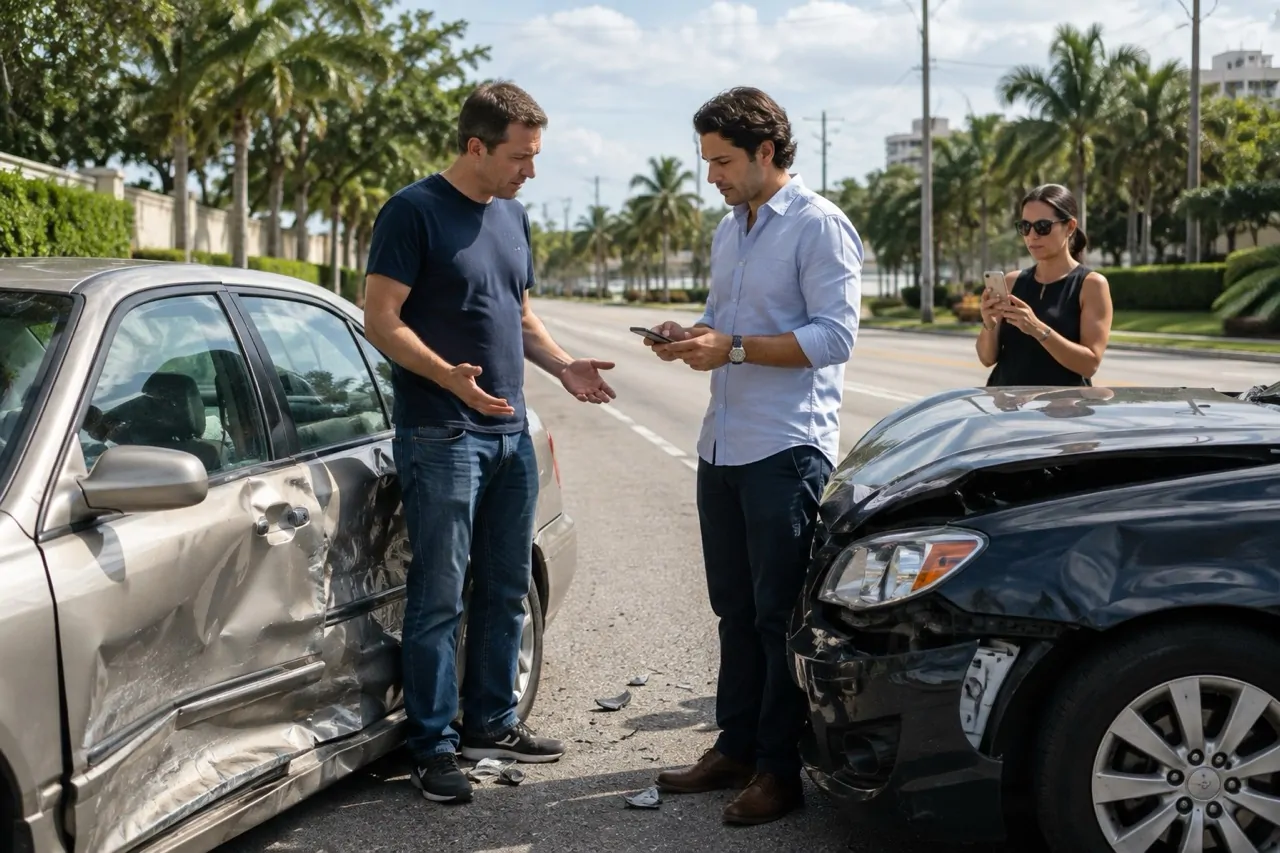
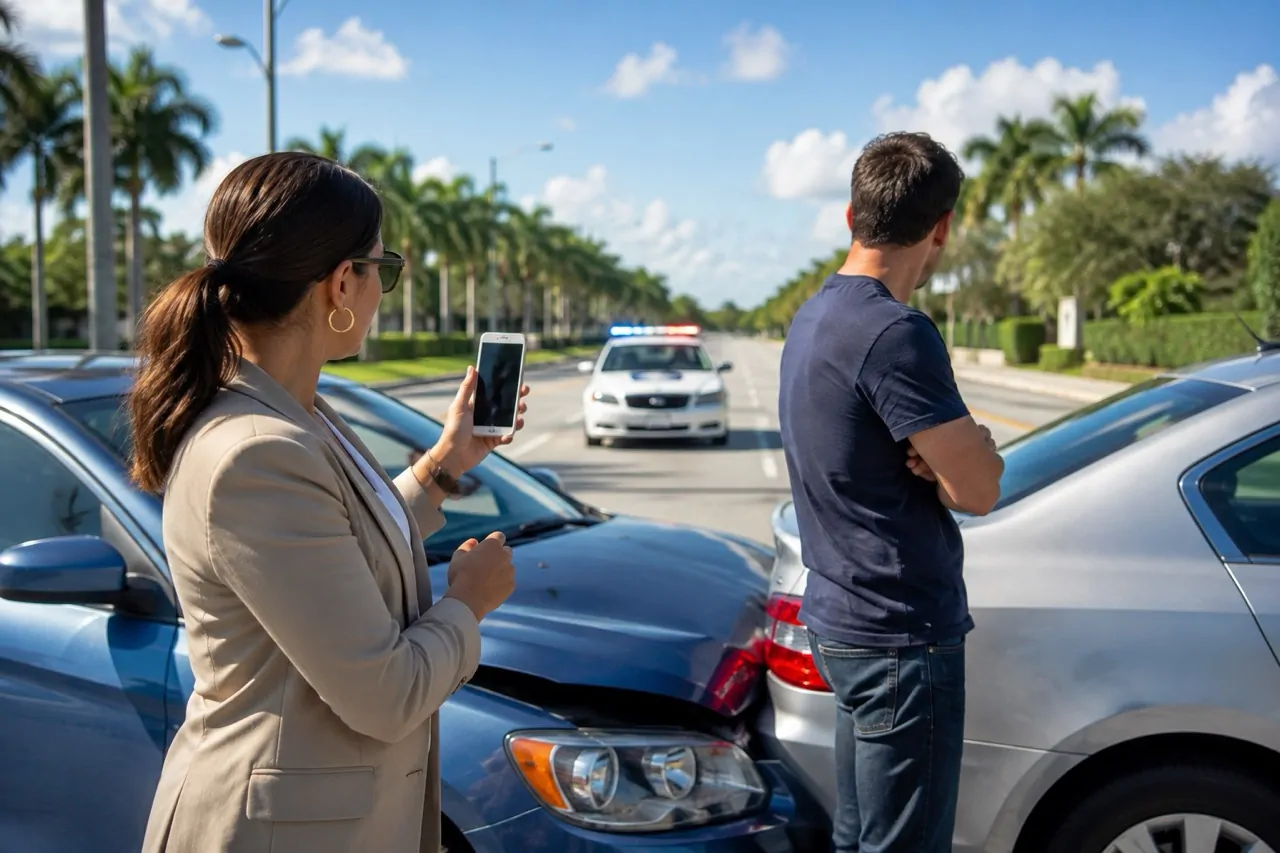
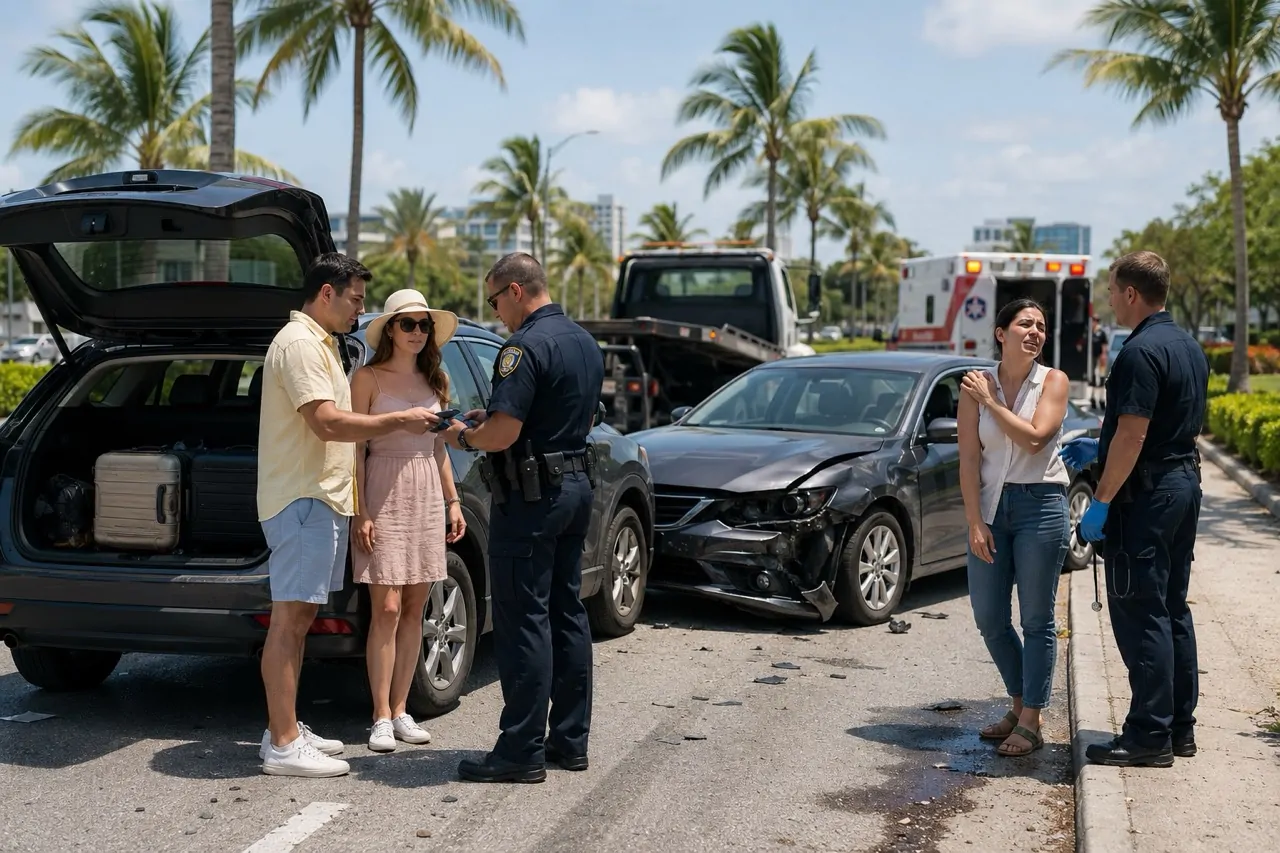
If the other driver is from another state, the steps you take immediately after the accident are generally the same as they would be in any Florida car accident. Start by calling law enforcement and requesting a police report. If you are injured or think you may be injured, seek medical attention as soon as possible, even if your symptoms seem minor.
Be sure to exchange insurance and contact information with the other driver. It is also helpful to record the vehicle’s license plate number and the state where it is registered. If the vehicle is a rental, note the name of the rental company. If you can do so safely, take photographs of the vehicles, the accident scene, and any visible injuries. If anyone witnessed the crash, ask for their contact information before they leave.
An official police report can be especially important when the other driver is from out of state. The report helps document the details of the accident, the driver’s identity, and insurance information. It may also provide valuable information if questions arise after the driver has returned to their home state.
Step 2: Understand Which State’s Laws Apply
After an accident involving an out-of-state driver, many people wonder whether Florida law or the other driver’s home state laws apply. This question is important because the answer can affect how an insurance claim or personal injury case is handled. In most situations, the location where the accident occurred determines which state’s laws govern the claim. Understanding this can help you know what to expect as you move forward. Here is what you should know about which state’s laws generally apply after an accident with an out-of-state driver in Florida.
Florida Law Generally Applies to the Accident
If the accident happened in Florida, Florida law generally governs the claim, even if the other driver lives in another state or their vehicle is registered elsewhere. This means the legal rules that apply to the accident are based on where the crash occurred, not where the driver is from. Florida laws may affect issues such as liability, insurance claims, and the deadlines for taking legal action.
Florida’s No-Fault Insurance Rules May Still Affect Your Claim
Florida follows a no-fault insurance system for most drivers registered in the state. If you are a Florida driver with Personal Injury Protection (PIP) coverage, your own insurance generally pays for certain medical expenses and a portion of lost wages, regardless of who caused the accident. Out-of-state drivers are not required to carry Florida PIP coverage, as they are typically subject to the insurance requirements of their home state. Depending on the circumstances, this difference may affect how insurance claims are handled after the accident.
Step 3: Identify the Insurance Coverage Available
After an accident with an out-of-state driver, insurance coverage is not always as straightforward as it may seem. More than one insurance policy may apply depending on the circumstances of the crash, the vehicle involved, and the driver’s coverage. Identifying all available insurance early in the claims process can help you better understand your options and avoid overlooking potential sources of compensation. Reviewing every applicable policy is an important part of evaluating a Florida car accident claim. Here are some of the insurance policies that may apply after an accident with an out-of-state driver in Florida.
The Out-of-State Driver’s Auto Insurance
In most cases, the at-fault driver’s auto insurance policy continues to provide coverage even when an accident happens in Florida. However, insurance requirements vary from state to state, and some drivers may carry lower liability limits than those typically available in Florida. If the driver’s policy has limited coverage, it may not fully cover the damages resulting from a serious accident.
Rental Car Insurance
If the out-of-state driver was operating a rental vehicle, additional insurance coverage may be available. Depending on the situation, the rental company may provide liability coverage, or the driver may have purchased optional insurance when renting the vehicle. In some cases, other insurance policies related to the rental may also be relevant when evaluating the claim.
Your Own Uninsured or Underinsured Motorist Coverage
If the at-fault driver’s insurance is unavailable or does not provide enough coverage to fully address your losses, your own uninsured or underinsured motorist (UM/UIM) coverage may become important. Depending on the terms of your policy and the facts of the accident, this coverage may help pay for damages that exceed the other driver’s available insurance. Reviewing your own policy early can help you understand what coverage may be available.
Step 4: Act Before the Driver Leaves Florida
After an accident involving an out-of-state driver, taking prompt action can make an important difference. Many visitors leave Florida within a few days, which may make the claims process more complicated. Acting quickly can help preserve valuable information and ensure that important steps are not overlooked. Collecting evidence, reporting the accident, and notifying your insurance company as soon as possible may help protect your interests as your claim moves forward. Here are some important steps to take before the other driver leaves Florida:
- Be Aware the Driver May Leave Soon: Many tourists and visitors have planned departure dates. Once they return to their home state, communicating with them or obtaining additional information may become more difficult.
- Preserve Evidence Immediately: Gather photos of the accident scene, vehicle damage, road conditions, and any visible injuries. If there are witnesses, collect their contact information, and keep a copy of the police report if one is available.
- Notify Your Insurance Company Promptly: Report the accident to your insurance company as soon as possible. Even if you expect to pursue a claim against the other driver’s insurance, timely notice may help protect your rights under your own policy and support the claims process.
Does It Matter If the Tourist Was Driving a Rental Car?
Yes. If the at-fault driver was operating a rental car, the insurance claims process may become more complex. Several insurance policies could be involved, depending on the circumstances of the accident and the coverage available.
In many cases, federal law generally protects rental car companies from being held responsible simply because they own the vehicle. However, the driver’s insurance coverage and any insurance associated with the rental vehicle may still apply. The rental agreement and available insurance policies often determine what coverage may be available after the accident.
Some rental companies also offer liability protection or optional insurance that the renter can purchase when renting the vehicle. If additional coverage was purchased, it may provide another potential source of compensation, depending on the facts of the case and the terms of the policy.
Can You Still Pursue a Claim After the Driver Goes Home?
A car accident involving an out-of-state driver can leave many people wondering what happens once the other driver returns home. Fortunately, leaving Florida does not automatically prevent an injured person from pursuing a claim. Several factors determine how the claims process moves forward, including where the accident occurred, which insurance policies apply, and the deadlines established under Florida law. Here are three important things to know if the at-fault driver has already left Florida:
Florida May Still Handle the Claim
If the accident happened in Florida, your claim may still be handled under Florida law. In many situations, Florida courts have the authority to hear cases involving out-of-state drivers when the crash occurred within the state. This means the driver’s return home does not necessarily prevent you from pursuing legal action in Florida. The specific facts of the accident will determine how the legal process moves forward.
The Insurance Claim Does Not End When the Driver Leaves
In many cases, you will communicate with the at-fault driver’s insurance company rather than the driver directly. Insurance companies continue handling claims even if their policyholder no longer lives in or remains in Florida. Depending on the circumstances of the accident and the available insurance coverage, you may still be able to pursue compensation through the applicable insurance policy.
Florida’s Filing Deadline Still Matters
Even if the at-fault driver has returned to another state, Florida’s legal deadlines generally still apply. Under current Florida law, personal injury lawsuits are generally subject to a two-year statute of limitations, although exceptions may apply in certain situations. Missing the applicable deadline could affect your ability to pursue a claim. Because every case is different, seeking timely legal guidance may help you better understand the deadlines that apply to your situation.
What Compensation May Be Available After an Out-of-State Driver Accident in Florida
The fact that the at-fault driver is from another state does not automatically change the types of compensation that may be available under Florida law. Depending on the circumstances of the accident and the injuries involved, a claim may include damages such as medical expenses, lost wages, reduced earning capacity, pain and suffering, emotional distress, and property damage.
In Florida, Personal Injury Protection (PIP) insurance generally provides initial coverage for certain medical expenses and lost income after a car accident. However, to seek compensation for pain and suffering from the at-fault driver, the injured person must generally meet Florida’s serious injury threshold. This may include a permanent injury, significant or permanent scarring or disfigurement, or a significant and permanent loss of an important bodily function. Whether this threshold is met depends on the specific facts and evidence in each case.
Speak With a Fort Lauderdale Car Accident Lawyer About Your Case
Being hit by a tourist does not mean your options are limited. Florida law gives you real tools to pursue the compensation you may be owed. Rosenberg & Rosenberg, P.A. has been helping injured drivers across South Florida for over 50 years. Our team understands the specific challenges that come with an out-of-state driver accident in Florida and how to address them effectively.
We are available 24 hours a day, 7 days a week. We offer free consultations and charge no fees unless we recover for you. If you were hit by an out-of-state driver, speaking with our team may help you understand your rights and what options may be available before important deadlines pass.
Let our family help your family.
Disclaimer: The information provided in this article is for general informational purposes only and does not constitute legal advice. Reading this content does not create an attorney-client relationship with Rosenberg & Rosenberg, P.A. Every case is different, and outcomes depend on the specific facts and circumstances involved. Florida law is subject to change. Past results do not guarantee similar outcomes in other cases. You should consult a qualified attorney regarding your individual situation. Rosenberg & Rosenberg, P.A. serves clients in Fort Lauderdale, Hollywood, and surrounding communities throughout South Florida.